








.png)








.png)



















Join 1M+ Readers Who Never Miss a Headline.
Stay informed wherever you are — join our growing community of readers and followers across social platforms.
Choosing a Search Firm
Compensation Intelligence
Board & Governance
Succession Strategy
AI Leadership Trends
Talent & Workforce Trends
AI Leadership Appointments
Compensation Changes
Big Tech Succession
CHRO & CPO Appointments
CEO Transitions
Board Members and Governance Committees
Operating Partners at private equity and venture capital firms
CHROs and Chief People Officers
HR leaders responsible for executive hiring
CEOs and Founders
May 26, 2026

The market for AI leadership has become highly effective at finding a specific type of executive. It is far less effective at identifying the smaller group of leaders who have actually deployed AI systems that changed how a business operates.
That gap matters more than most companies realize, and it is getting harder to close. The strongest AI-native builders are increasingly difficult to identify before the broader market recognizes them and compensation catches up. 72% of employers globally report they cannot fill AI roles, and senior GenAI positions are sitting open for 54 days on average. The shortage is real, but it is also partly self-inflicted. Companies relying on conventional AI search frameworks often hire leaders who can explain AI strategy clearly but struggle to translate it into operational results.
The strongest builders often do not look obvious at the beginning of a search process. Many boards still evaluate AI leadership through traditional executive hiring frameworks, prioritizing communication ability, strategic language, transformation narratives, and organizational seniority. The assumption is that AI leadership behaves similarly to earlier enterprise technology transitions, but the market dynamics are becoming very different.
The strongest builders come from operational environments where deployment pressure already existed before AI became a board-level priority. Applied AI engineering organizations, infrastructure teams, developer tooling groups, AI-native product environments, and Forward Deployed Engineering organizations are producing many of the operators now attracting the highest levels of market attention. In some cases, these leaders do not hold traditional executive titles. Many run deployment-heavy AI product organizations or operate inside private equity portfolio environments where the only measure that matters is value creation before exit. That background produces a very different profile from the AI-fluent executive market now forming around governance and enterprise AI strategy. The problem is that companies frequently treat them as interchangeable.
The compensation market has already begun separating AI-native builders from the broader AI-fluent executive market faster than most hiring frameworks have.
AI-fluent executives are easier to evaluate because the signals feel familiar. The discussion centers on transformation roadmaps, governance structures, organizational readiness, vendor relationships, and risk management. Those conversations matter, especially as boards and CHROs increasingly frame AI as a leadership and operating issue. Large executive search firms have shifted heavily toward that narrative over the past year.
Underneath it, a different talent market is forming. Companies deploying agentic systems into real operating environments are searching for leaders who can manage implementation pressure, workflow redesign, technical hiring, deployment reliability, adoption resistance, and measurable operational outcomes. Those searches operate differently because the evaluation criteria change entirely once production deployment experience becomes mandatory.
The strongest operators become distinguishable once the conversation moves away from AI positioning and into implementation history. The discussion shifts toward deployment constraints, latency problems, reliability tradeoffs, workflow friction, architecture decisions, adoption resistance inside operating teams, and the operational metrics that followed deployment. The best candidates discuss failure comfortably. They can explain what broke during rollout, where adoption slowed, which workflows resisted automation, how teams adapted, and what changed between initial deployment and scaled execution.
The same signal appears in how they talk about technical hiring. Leaders who have built strong AI organizations speak clearly about the profiles they recruited underneath them: why those specific people, what they could do that others could not, and how the team structure changed as deployment scaled. That level of specificity is hard to construct from the outside. It comes from having actually made those decisions under pressure.
One signal that rarely appears in conventional searches is how these leaders think about building the teams underneath them. AI-fluent executives tend to approach organizational design from a structural perspective, focusing more on organizational coverage than deployment-stage requirements. Builders describe it differently. They talk about the specific technical profiles they needed at each stage of deployment, why those profiles mattered more than adjacent ones, and how the team composition shifted as systems moved from prototype into production.
That distinction matters because AI organizations usually break down from poor sequencing long before they break down from lack of hiring activity. The wrong hire at the wrong stage of deployment creates friction that compounds quickly, particularly when agentic systems are involved, and failure becomes visible to customers or operating teams before internal teams fully understand what broke. Leaders who have navigated that pressure develop a pattern recognition that shows up immediately once the conversation moves into specifics. Those who have not tend to revert to general language about attracting top talent and building a culture of innovation.
The compensation data reflects this. Christian & Timbers’ 2026 analysis of the AI leadership market shows that the premium for leaders with verifiable deployment history and organizational build experience is accelerating faster than the broader senior AI hiring market. The full analysis covers how that premium varies across sectors and what evaluation frameworks are actually separating the most experienced candidates from the field.
Several environments are producing disproportionate concentrations of these builders right now. Applied AI product organizations sit close to revenue generation and customer workflows. Forward Deployed Engineering teams work inside large enterprise systems where deployment pressure is constant and failure is visible immediately. Infrastructure and tooling backgrounds add reliability and scalability judgment that most AI-fluent executives simply do not have.
Private equity environments are becoming increasingly important as well. Some PE-backed companies now treat AI implementation as an operating mandate tied directly to margin improvement, workflow compression, product acceleration, and measurable value creation before exit. That pressure tends to produce executives with unusually strong execution orientation because the outcomes become visible quickly and the timelines are unforgiving.
The broader market still underestimates how small this talent pool remains. The pattern resembles what happened with elite data science hiring around 2012, when a relatively small group of operators became dramatically more expensive once companies understood their operational value. The difference now is that the repricing is happening at the executive level, where a misread hire costs far more than a misread data science hire ever did.
Traditional executive hiring systems were designed for executives responsible for organizational oversight and strategic direction. AI-native operating environments increasingly reward leaders who can operate through deployment pressure and produce measurable operational outcomes.
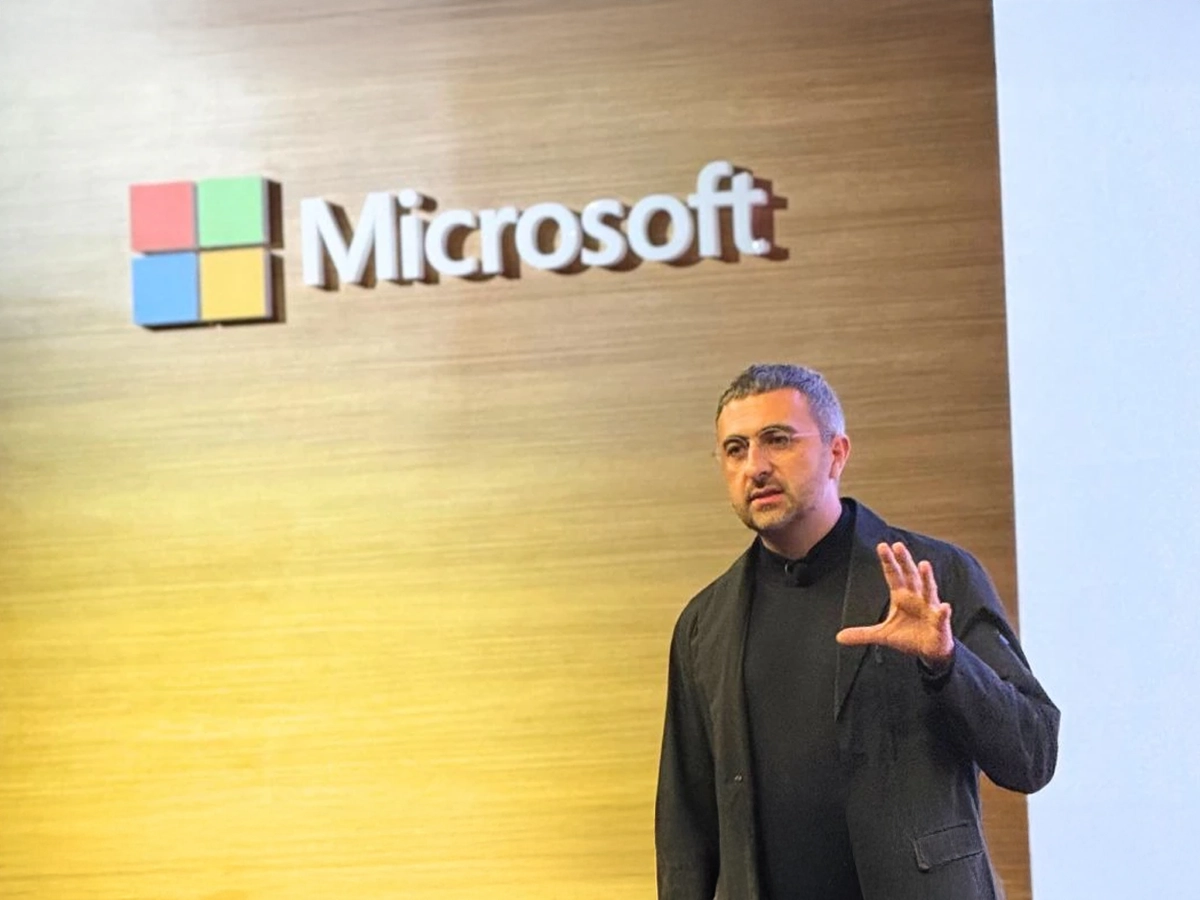
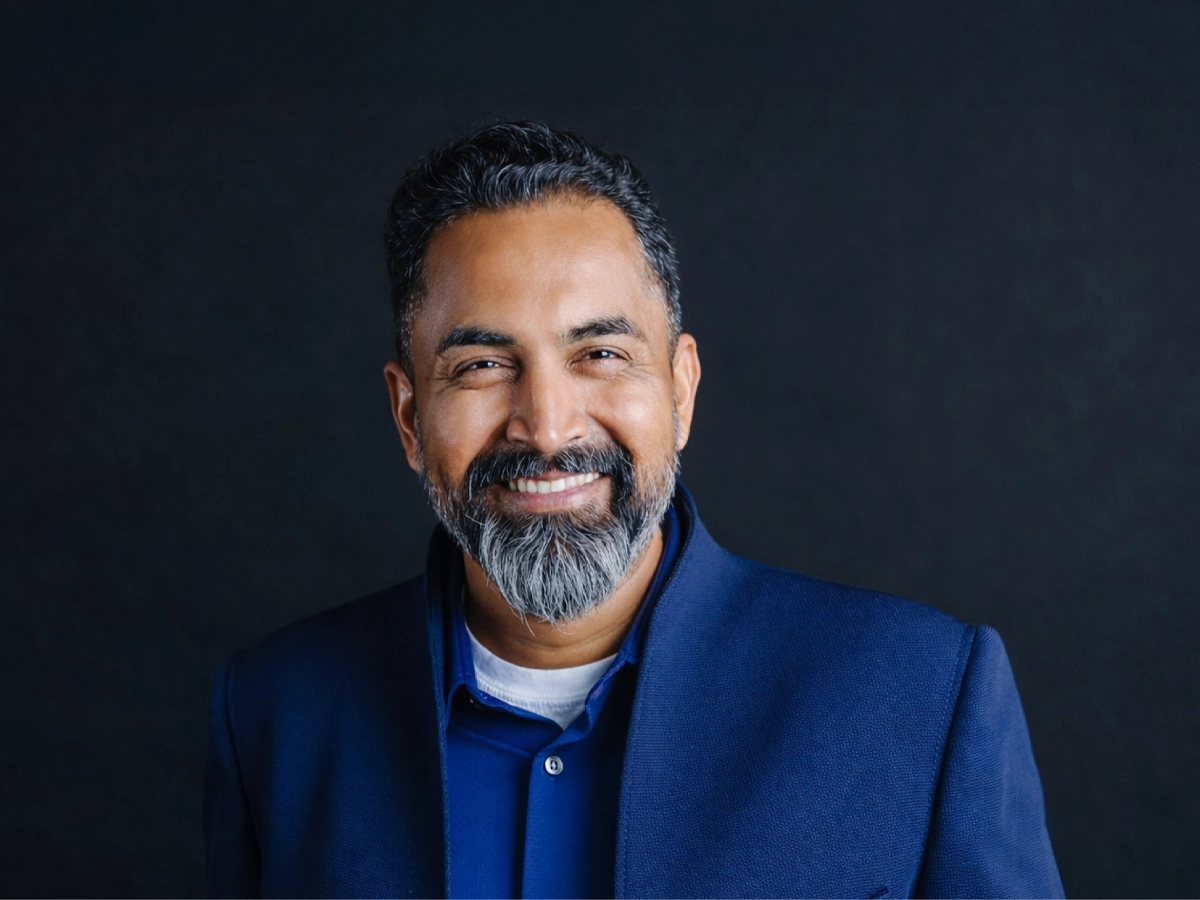
Microsoft moved early and visibly. The company appointed Mustafa Suleyman to run Microsoft AI and consolidated major consumer AI initiatives under one organization, prioritizing leadership tied directly to building and shipping AI systems rather than overseeing AI strategy from a distance. Acosta Group made a similar move when it hired Ashok Paranjothi as SVP of Artificial Intelligence through a Christian & Timbers search, with responsibility tied to building and scaling operational AI programs across the organization rather than advising on transformation initiatives from the outside. Those appointments reflect a broader market change that many boards still underestimate.
The candidate pool changes entirely once production implementation experience becomes non-negotiable inside real operating environments. The evaluation process shifts away from executive narrative and toward operational history: what systems were deployed, what changed inside the business afterward, what resisted adoption, how workflows evolved under pressure, and whether measurable outcomes followed implementation.
Boards running these searches should ask a much simpler question far earlier in the process: what changed operationally after this person deployed AI systems? The strongest builders usually respond with operational detail, explaining how implementation changed workflows, exposed constraints, forced organizational adaptation, and ultimately produced measurable business outcomes.
Christian & Timbers has been tracking this shift across Forward Deployed Engineering teams, Applied AI product organizations, and private equity operating environments as deployment-heavy AI leadership searches have expanded. The firm's ongoing series on AI leadership goes deeper into what evaluation actually looks like once deployment experience becomes the filter. Those still relying on traditional executive evaluation frameworks are often looking for the right person in the wrong place.













Stay informed wherever you are — join our growing community of readers and followers across social platforms.
Choosing a Search Firm
Compensation Intelligence
Board & Governance
Succession Strategy
AI Leadership Trends
Talent & Workforce Trends
AI Leadership Appointments
Compensation Changes
Big Tech Succession
CHRO & CPO Appointments
CEO Transitions
Board Members and Governance Committees
Operating Partners at private equity and venture capital firms
CHROs and Chief People Officers
HR leaders responsible for executive hiring
CEOs and Founders

.svg)
.svg)