








.png)











.png)
























Join 1M+ Readers Who Never Miss a Headline.
Stay informed wherever you are — join our growing community of readers and followers across social platforms.
Choosing a Search Firm
Compensation Intelligence
Board & Governance
Succession Strategy
AI Leadership Trends
Talent & Workforce Trends
AI Leadership Appointments
Compensation Changes
Big Tech Succession
CHRO & CPO Appointments
CEO Transitions
Board Members and Governance Committees
Operating Partners at private equity and venture capital firms
CHROs and Chief People Officers
HR leaders responsible for executive hiring
CEOs and Founders
June 29, 2026

When a CEO, CTO, or other key executive departs unexpectedly, the gap between "we need a plan" and "we have a plan" is where companies lose momentum. And sometimes they lose their best people along the way.
C-suite leadership succession planning closes that gap and is a growth strategy.
Leadership succession planning is the process of identifying, developing, and preparing future leaders so a company is never caught floundering when a critical role opens up. When a company is unprepared for an executive exit, the company leave it’s vulnerable to significant setbacks.
Academy to innovate HR says 77% of CEO departures from organizations happen without a plan in place. And Harvard Business Review research found that poorly managed CEO transitions erase nearly $1 trillion in market value each year. This impact most often occurs among S&P 1500 companies.
When you consider the impact in tech, tech companies are unusually dependent on a small number of people who have had a lot of ownership and influence. A founder-CEO who still owns the product vision. A CTO who carries a decade of architectural decisions in their head. A Head of Sales who personally holds the relationships behind half the pipeline. It’s these types of scenarios that can make the impact on tech companies even stronger.
Leadership succession planning directly addresses the potential loss of these key people. It forces companies to plan before a transition is urgent. It makes them ask:
In addition to the org chart, succession planning also protects:
In a market where speed and trust are both competitive advantages, that kind of leadership continuity is hard to overstate.
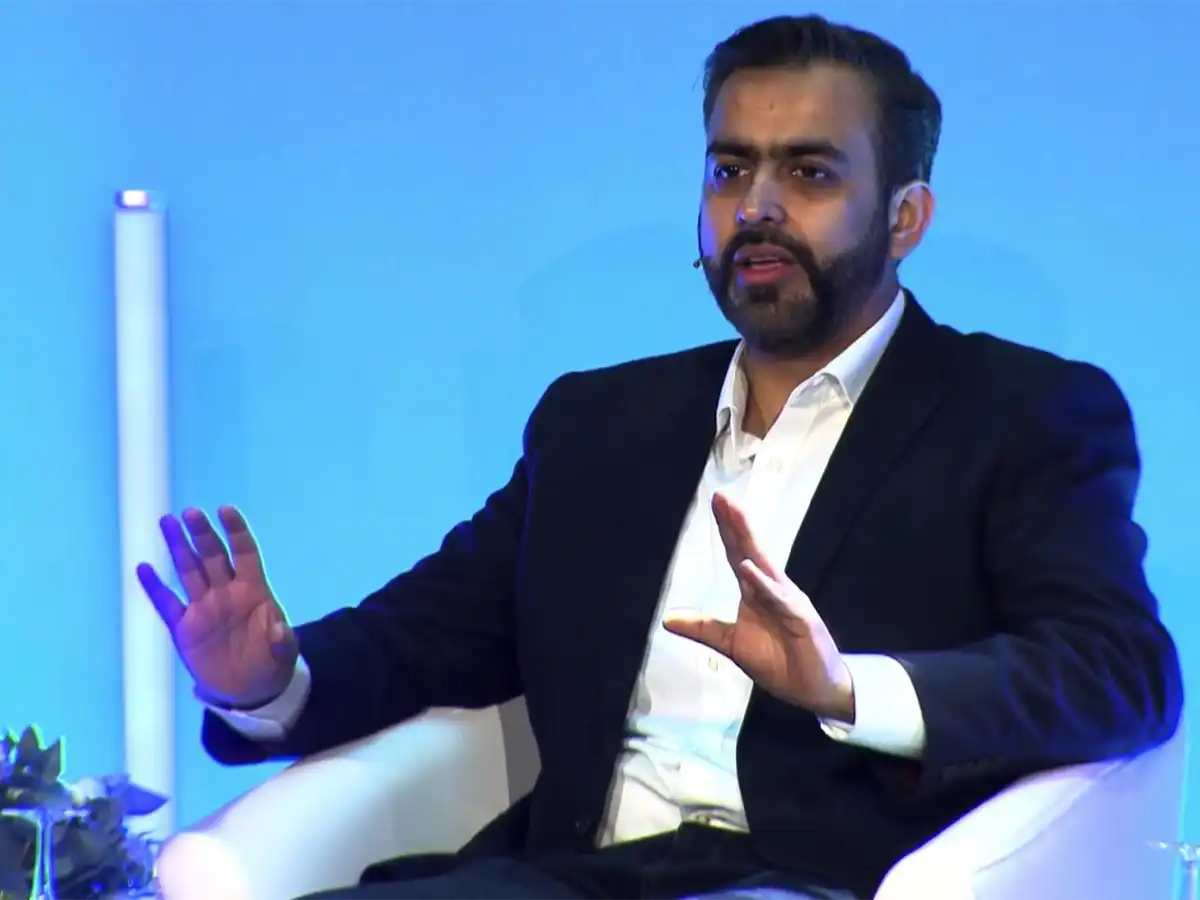
LinkedIn Names Dan Shapero as New CEO, Succeeding Ryan Roslansky
Founder-led and high-growth tech companies tend to concentrate knowledge at the top of the org. Early-stage decisions get made quickly, by a handful of people, and without much documentation. Shipping is often a bigger priority than documenting. This works at first, until someone leaves and then it can become a problem.
As a company scales, the same concentration that made fast decisions possible becomes a liability. For example, if the CEO is the only one who can speak credibly to investors about strategy, or the CTO is the only one who fully understands a critical piece of infrastructure, the company is one resignation away from a real disruption.
Founder-led and high-growth companies often underestimate this leadership risk. An executive leadership transition that happens without a plan rarely happens efficiently. Oftentimes, work slows while the remaining leaders absorb new responsibilities they weren't prepared for. Teams look for reassurance that may not be available yet. And the company, often without intending to, signals instability at the exact moment it can least afford to.
Leadership succession planning make sure that expertise isn't trapped in just one or two people.
Most tech companies eventually face the same question. When a leadership seat opens, do we promote from within, or do we hire from outside?
There's no universally right answer. The answer completely depends on the company's existing organizational chart, who is in current roles, what the skills of those people are, and what the needs of the open leadership seat are.
An internal talent pipeline has real advantages. Internal leaders already understand the product, the culture, and the relationships that make the business run. They don't need an onboarding curve to get oriented, because they're already inside the system. Promoting from within can also be a powerful retention signal. It tells high performers that there's a real path upward.
External executive hiring has its own advantages. Outside leaders bring fresh perspective, exposure to other companies' best practices, and sometimes the operating discipline a fast-growing company hasn't had to build yet. A company scaling past $50M in revenue, for example, may genuinely need leadership experience that nobody on the internal team has had the chance to develop.
The strongest companies know this is not an either/or decision made in a moment of pressure. The strongest companies build a leadership pipeline strong enough that internal promotion is a realistic option. They stay genuinely open to external executive hiring when the situation calls for it. Having both options available is the actual goal of executive succession planning. Having only one, by default, is the risk.
The cost of weak succession planning typically shows up as a series of smaller mishaps that compound instead of one obvious problem.
Institutional knowledge often leaves with the executive before anyone else in the company learns it. This can lead to slower execution from the leaders still on the team as they try to pick up the slack for the lost executives.
Some companies default to quick internal hires, promotions often get rushed, and the company rushes to push more people into roles before they’re ready. This creates a second leadership problem.
Other companies might turn to an executive search firm under pressure. In these rushed circumstances, the company often pays more for a faster search. It also accepts more risk with rushing the hire and is less meticulous with ensuring the right person is found.
None of these costs obviously show on a P&L sheet. But customers may notice account turnover. Investors may notice leadership uncertainty during board updates. And employees may notice when a company seems to be improvising its way through a transition it should have seen coming.
C-suite succession planning exists to prevent this slow build-up of costs.
$80 Billion Later, Meta's Leadership Faces the Bill
Building a real leadership pipeline takes a deliberate process that’s consistently applied.
A leadership pipeline built this way produces qualified internal candidates. It produces leaders who are ready before the role is open. This is the point.
Strong succession planning makes the decision to seek an executive recruiting firm a more strategic one. Once a company knows where its internal teams' strengths and weaknesses are, it can hire better.
External executive hiring becomes a planned, proactive choice instead of a reaction. It focuses on what the business needs next. For example:
Executive search adds the most value when it’s a targeted strategy for filling a specific gap a company has already identified through its own succession planning. The clearer a company is about its internal strengths, the more clearly it can define what it needs from an outside hire. Companies can confidently choose from the best AI executive search firms.
Leadership succession planning is a business continuity strategy, with direct implications for execution, valuation, retention, and growth.
Companies that take it seriously tend to look different from the outside, even before a transition happens. They:
Succession planning in tech companies is about making sure that whenever the moment for new leadership arrives, the company isn't starting from zero.
















Stay informed wherever you are — join our growing community of readers and followers across social platforms.
Choosing a Search Firm
Compensation Intelligence
Board & Governance
Succession Strategy
AI Leadership Trends
Talent & Workforce Trends
AI Leadership Appointments
Compensation Changes
Big Tech Succession
CHRO & CPO Appointments
CEO Transitions
Board Members and Governance Committees
Operating Partners at private equity and venture capital firms
CHROs and Chief People Officers
HR leaders responsible for executive hiring
CEOs and Founders

.svg)
.svg)