






.png)












.png)


















Join 1M+ Readers Who Never Miss a Headline.
Stay informed wherever you are — join our growing community of readers and followers across social platforms.
Choosing a Search Firm
Compensation Intelligence
Board & Governance
Succession Strategy
AI Leadership Trends
Talent & Workforce Trends
AI Leadership Appointments
Compensation Changes
Big Tech Succession
CHRO & CPO Appointments
CEO Transitions
Board Members and Governance Committees
Operating Partners at private equity and venture capital firms
CHROs and Chief People Officers
HR leaders responsible for executive hiring
CEOs and Founders
April 7, 2026
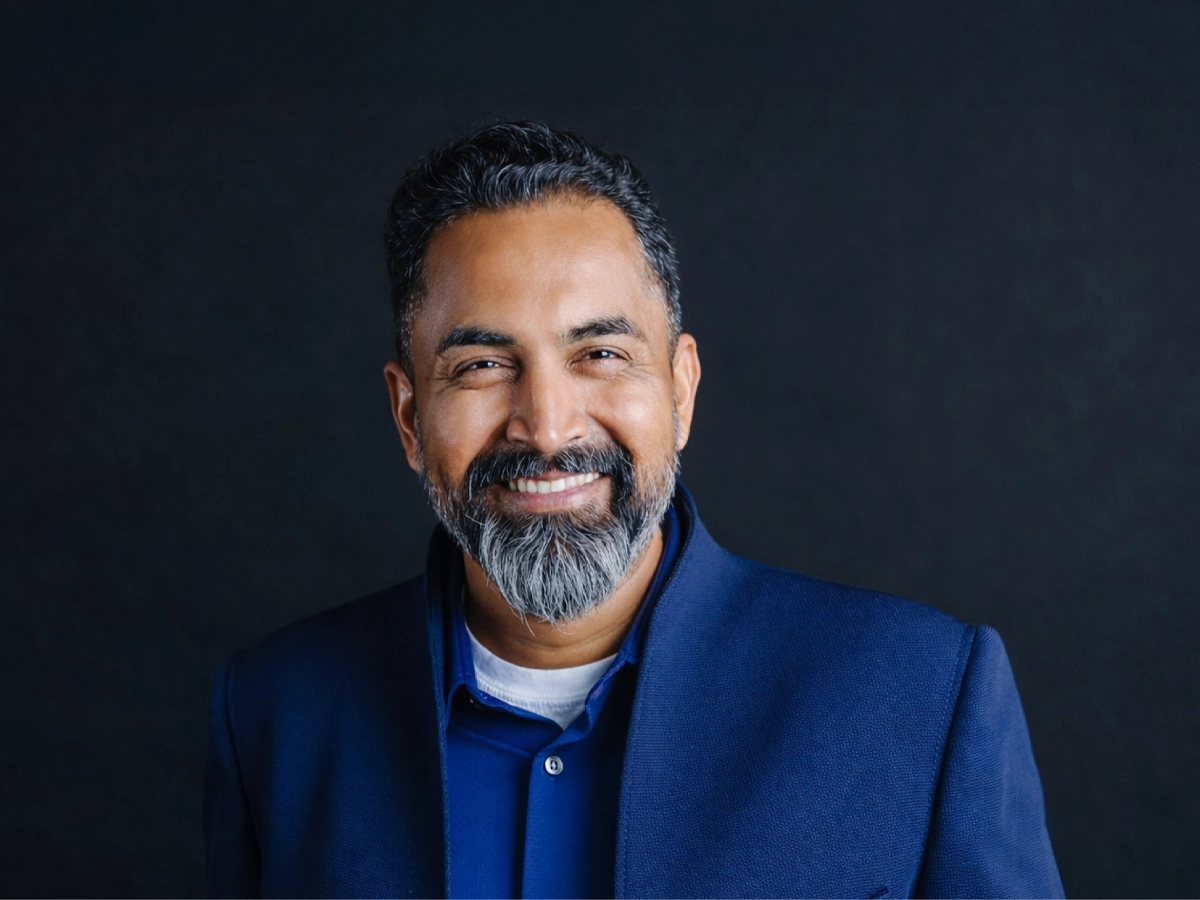
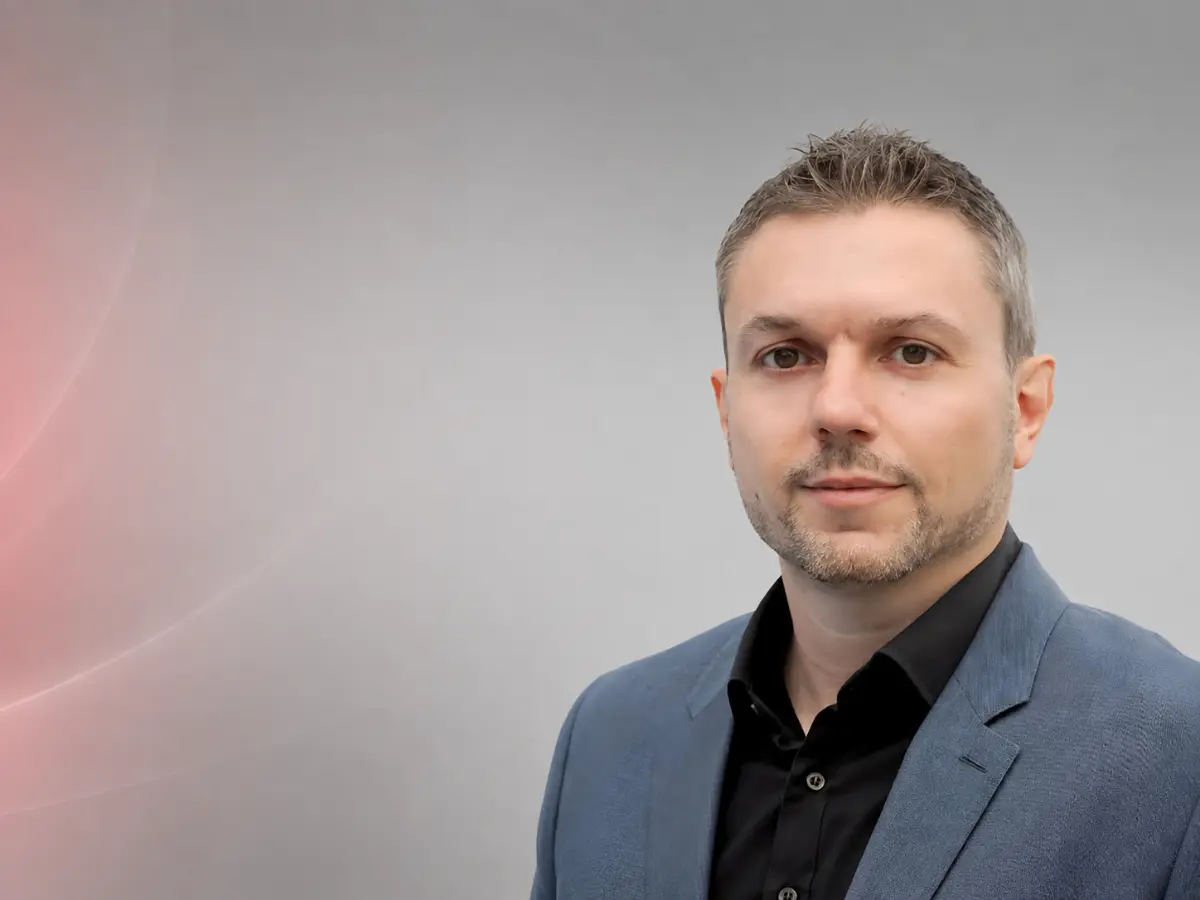
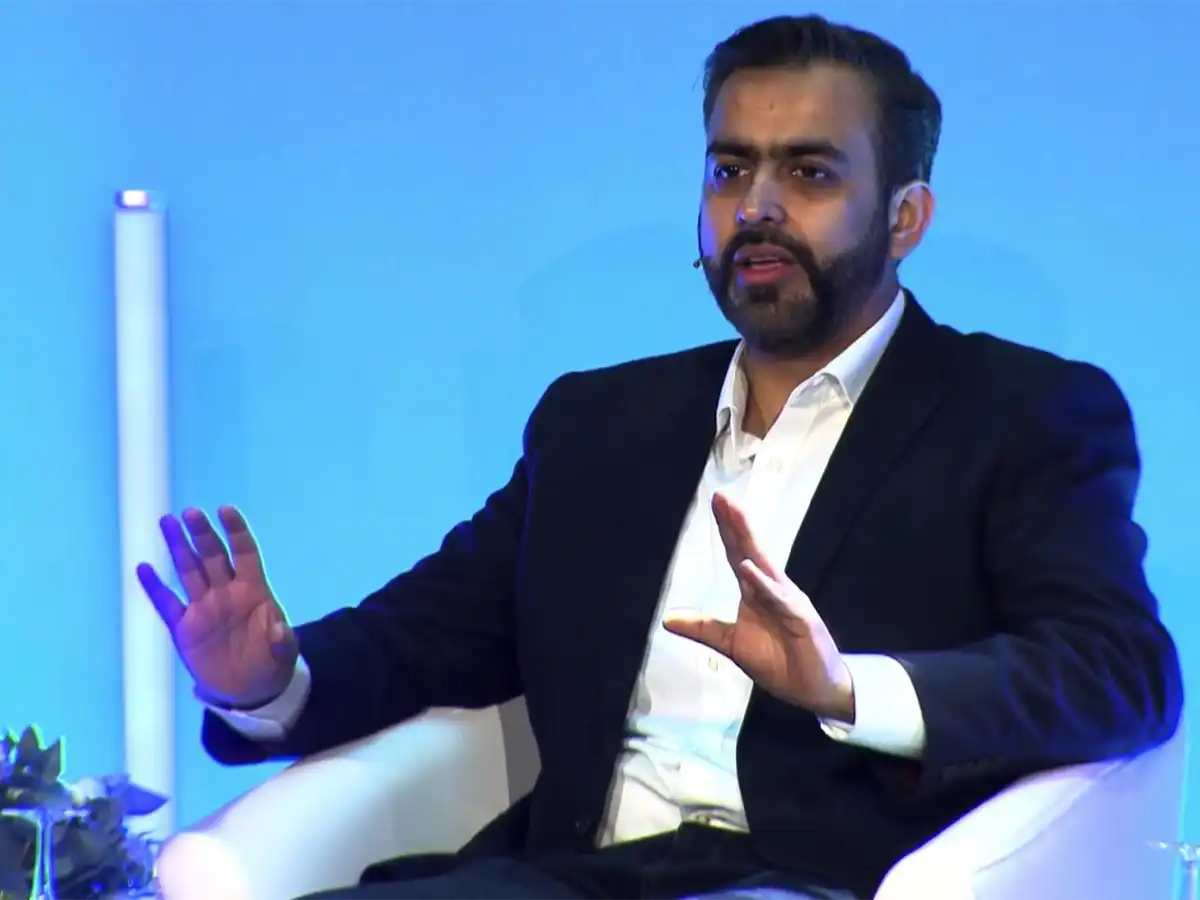
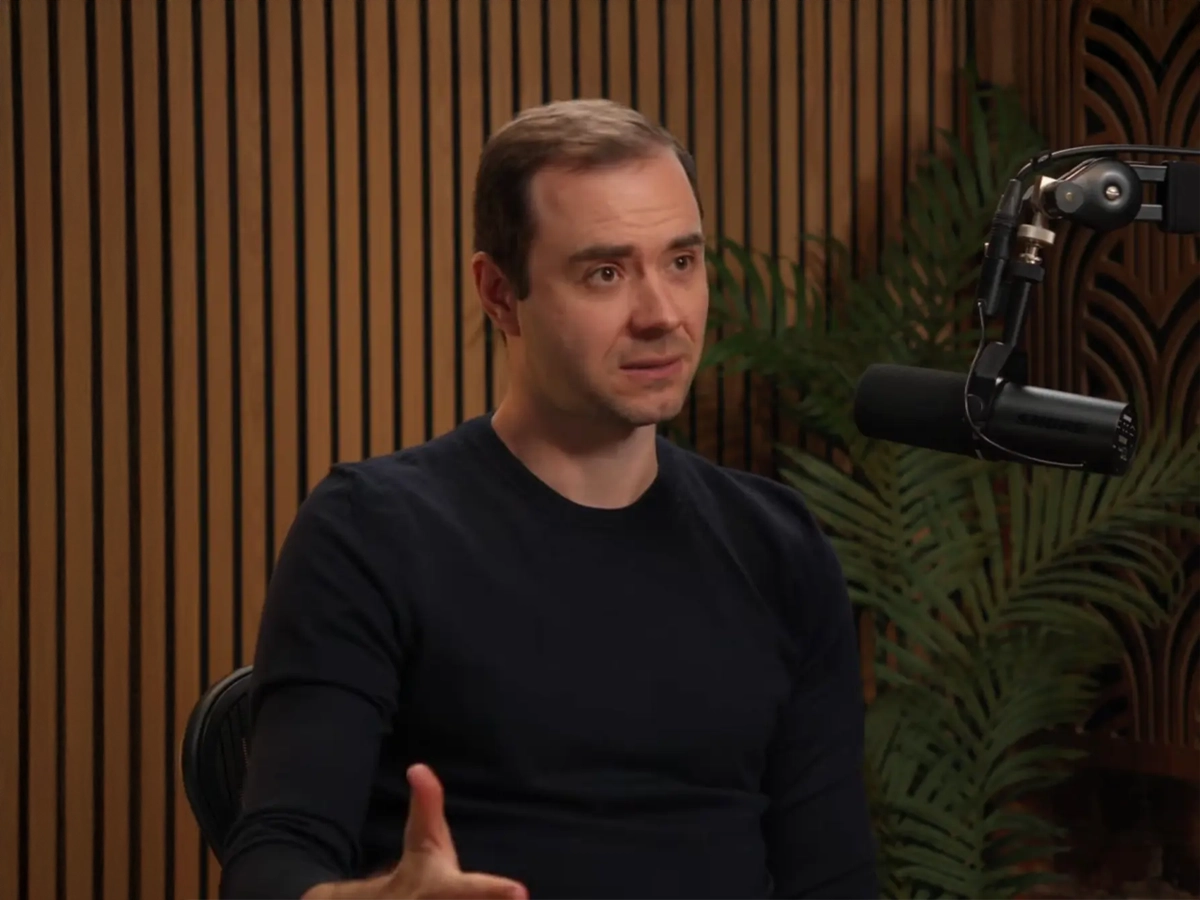
OpenAI appointed Arvind KC as its Chief People Officer on February 24, 2026, placing a leader with 25 years of engineering and people operations experience in charge of the company's workforce strategy at one of the most consequential moments in its history. KC will oversee global people strategy, including hiring, onboarding, organisational development, and the systems and policies that support OpenAI's continued growth. He reports to Jason Kwon, OpenAI's Chief Strategy Officer.
The appointment follows the departure of Julia Villagra, who left the company in August 2025 after less than six months in the role, prompting a search for a successor amid intensifying competition for AI talent across Silicon Valley. The speed of that turnover in the CPO seat, and the profile of the person chosen to fill it, reflects how much the function has changed at frontier AI companies.
KC, also known by his full name Arvind K. Chakravarthy, began his career in supply chain systems within the semiconductor industry, developing early expertise in complex operational processes before moving into broader technology and people leadership. He holds a bachelor's degree in chemical engineering from the University Institute of Chemical Technology in Maharashtra and an MBA from Santa Clara University. That combination of a hard-science foundation with business training shaped a career that moved fluidly between engineering depth and organisational design.
His most recent role was Chief People and Systems Officer at Roblox, where he worked on internal processes, systems, and culture as the company expanded its global workforce. Prior to that, he held a Vice President of Engineering role at Google, served as CIO and Head of People Operations at Palantir Technologies, and spent time at Meta and Xilinx. The range of institutions, consumer internet at Roblox, enterprise search at Google, defence-adjacent data infrastructure at Palantir, and social media at Meta, gives KC exposure to the distinct cultural and operational challenges of each, a breadth that OpenAI's expanding scope increasingly requires.
KC joins a growing group of Indian-origin leaders at OpenAI, including Vijaye Raji as CTO for Applications and Srinivas Narayanan as Vice President.
The Chief People Officer function has always been central to how technology companies compete for talent. At a frontier AI company in 2026, it carries dimensions that did not exist in the role even three years ago.
OpenAI's announcement framed KC's mandate explicitly around the intersection of people leadership and AI-driven workplace change, stating that the CPO will also guide how the company adapts internally to AI transformation, including skills development and reskilling, with plans to share lessons learned across its broader ecosystem. That last point is the unusual one. OpenAI is asking its CPO not just to manage internal people systems but to develop a model for how work changes in an AI-native organisation that the company intends to share externally. The CHRO function is being positioned as a thought leadership output, not just an internal operations role.
The reason is straightforward. OpenAI's revenue run rate reached $10 billion at the end of 2024 and accelerated sharply through 2025 and into 2026, driven by ChatGPT, the API, and enterprise contracts. The company that produces the tools organisations are using to restructure their workforces is itself being restructured by those same tools. How OpenAI manages that dynamic internally, building a workforce that operates at the frontier of AI while also deploying AI to improve its own operations, is a question with commercial implications as well as organisational ones.
Fidji Simo, CEO of Applications at OpenAI, stated in the announcement that the company believes how it scales should reflect the future it is helping to create, and that KC's role is to ensure people processes, policies, and systems match OpenAI's ambition while preserving the culture and operating principles that have brought it to its current position.
OpenAI is scaling at a pace that few organisations in technology history have had to manage. The company reached a $852 billion valuation in March 2026 after closing a $122 billion funding round, and Anthropic surpassed that valuation in May. The competitive pressure is not slowing.
The AI talent market is the most constrained in the technology industry, with demand for AI skills outpacing supply by 3.2 to 1 globally and AI roles commanding an average 56% wage premium over comparable non-AI positions, according to PwC's AI Jobs Barometer. For the company that is the primary reference point for frontier AI capability, retaining the researchers, engineers, and operational staff required to stay at the frontier while simultaneously scaling commercial operations is the central people challenge.
OpenAI has faced a pattern of high-profile departures since 2023, including co-founder Ilya Sutskever, who left to found Safe Superintelligence, and multiple senior researchers who have started or joined competing labs. Each departure receives public attention in a way that departures from most companies do not, because the researchers leaving OpenAI tend to immediately raise hundreds of millions in funding for companies that compete directly with it. The CPO's ability to build retention systems, career development pathways, and a culture that keeps senior technical talent engaged is not an HR abstraction. It is a direct competitive variable.
KC's engineering background is central to why OpenAI chose him. A CPO who understands how frontier research teams operate, what motivates senior technical contributors, and where organisational friction most damages output is better positioned to design the systems OpenAI needs than one whose experience is primarily in traditional HR disciplines. His time at Palantir in particular, a company that has built a culture around highly technical staff working on high-stakes problems, gives him direct exposure to the kind of talent dynamics OpenAI's research organisation requires.
KC's appointment is part of a wider trend in how AI companies are building out their executive leadership. The number of large enterprises appointing dedicated Chief People Officers or Chief AI Officers with operational mandates has grown substantially in 2025 and 2026, as boards recognise that workforce strategy and AI strategy are no longer separate conversations.
At OpenAI, the two are inseparable. The company is simultaneously the most prominent AI research lab, the largest commercial AI product company, and an organisation preparing for a public offering that will introduce an entirely new set of governance and accountability requirements. Managing the human architecture of that transition is the CPO's mandate, and it is a mandate with few precedents to draw on.
KC's statement on joining captured the scale of what he is being asked to navigate: this is a moment where every organisation is being asked to rethink how work happens, what teams need, how people grow, and how to adapt as the tools change. At most companies, that is an aspiration. At OpenAI, it is the job description.













Stay informed wherever you are — join our growing community of readers and followers across social platforms.
Choosing a Search Firm
Compensation Intelligence
Board & Governance
Succession Strategy
AI Leadership Trends
Talent & Workforce Trends
AI Leadership Appointments
Compensation Changes
Big Tech Succession
CHRO & CPO Appointments
CEO Transitions
Board Members and Governance Committees
Operating Partners at private equity and venture capital firms
CHROs and Chief People Officers
HR leaders responsible for executive hiring
CEOs and Founders

.svg)
.svg)