







.png)













.png)




















Join 1M+ Readers Who Never Miss a Headline.
Stay informed wherever you are — join our growing community of readers and followers across social platforms.
Choosing a Search Firm
Compensation Intelligence
Board & Governance
Succession Strategy
AI Leadership Trends
Talent & Workforce Trends
AI Leadership Appointments
Compensation Changes
Big Tech Succession
CHRO & CPO Appointments
CEO Transitions
Board Members and Governance Committees
Operating Partners at private equity and venture capital firms
CHROs and Chief People Officers
HR leaders responsible for executive hiring
CEOs and Founders
July 17, 2026

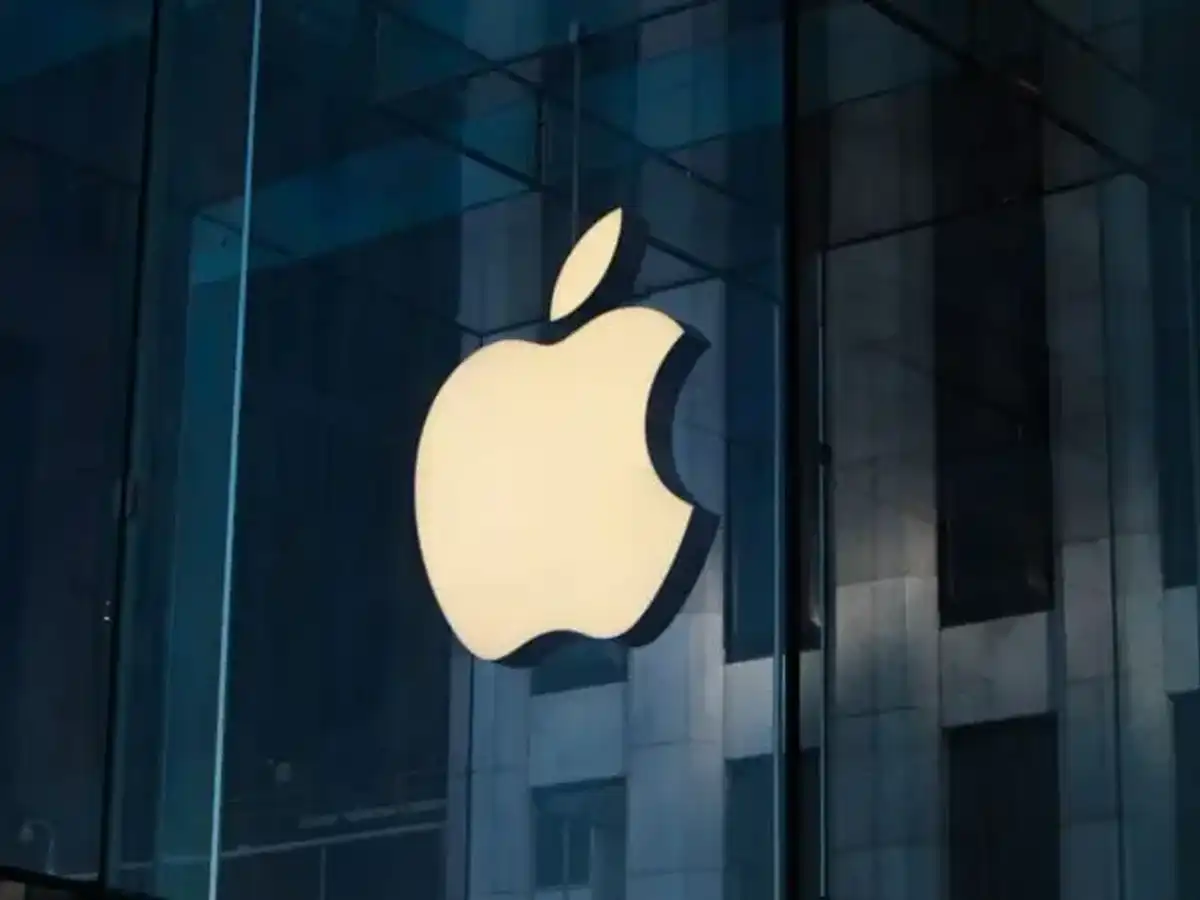
Apple is approaching a historic milestone at the same time it prepares for one of the most significant leadership transitions in its history.
After overtaking Nvidia as the world’s most valuable company, Apple is now closing in on a $5 trillion market valuation. If it reaches that threshold, it would become only the second company to do so, after Nvidia.
Apple’s recent financial performance helps explain the momentum. The company reported fiscal second-quarter revenue of $111.2 billion,, up 17% year over year, while earnings per share increased 22%. Its services division also generated a record $31 billion in revenue.
During this time when Apple is doing so well, the company is also having a change of leadership.
Tim Cook will step down as CEO on September 1, 2026, and become executive chairman of Apple’s board. John Ternus, Apple’s longtime senior vice president of Hardware Engineering, will succeed him. Apple said the appointment followed a long-term succession planning process unanimously approved by its board.
Ternus will inherit one of the world’s most valuable companies during a period of strong performance and enormous expectations.
That makes Apple a timely case study in a challenge many boards underestimate: managing succession when the business is thriving.
A company approaching a $5 trillion valuation faces unusually high expectations.
Apple must continue growing its hardware and services businesses while competing in artificial intelligence, managing global supply-chain risks, responding to regulatory pressure and maintaining customer loyalty.
That creates a complex mandate for its senior leadership team.
Executives must protect the systems that made the company successful while also identifying where the business needs to evolve. At this level, preserving the status quo can be just as risky as changing too much too quickly.
Read: Leadership Succession Planning for Tech Companies
Apple did not wait for an unexpected vacancy to begin its next CEO executive search.
Ternus joined Apple in 2001 and has spent more than two decades building experience inside the company. He became senior vice president of Hardware Engineering in 2021 and has overseen engineering across major product categories, including the iPhone, Mac, iPad, Apple Watch and AirPods.
His appointment reflects one of the main advantages of internal succession: the incoming leader already understands the company’s products, culture and decision-making structure.
Apple is also planning for continuity. Cook will remain involved as executive chairman and will work with Ternus through the transition. That structure can preserve institutional knowledge without leaving the former CEO in control of day-to-day operations.
For other boards, the lesson is clear. Strong succession planning requires developing leaders years in advance, evaluating them against the company’s future strategy and creating a deliberate transfer of authority. This should also be done with a CTO executive search.
Few businesses will ever reach Apple’s size, but the leadership lesson applies broadly.
Succession planning should happen while the company is performing well. Strong results create the time and stability needed to develop internal talent, assess external candidates and prepare for leadership changes without disrupting the business.
Companies should also connect executive hiring decisions to future strategy.
The leader who was right for the company’s previous stage may not be the person best equipped to lead its next one. Growth, transformation, new technology and changing market conditions can all create the need for different executive capabilities.
Apple may soon join the $5 trillion club. Reaching that milestone will be a financial achievement. Sustaining that level of success will be a leadership challenge.
Top Exec Recruiting helps companies identify senior leaders for periods of growth, transformation and succession.
The strongest executive searches begin with a clear understanding of where the business is heading and what leadership capabilities will be needed to get there.














Stay informed wherever you are — join our growing community of readers and followers across social platforms.
Choosing a Search Firm
Compensation Intelligence
Board & Governance
Succession Strategy
AI Leadership Trends
Talent & Workforce Trends
AI Leadership Appointments
Compensation Changes
Big Tech Succession
CHRO & CPO Appointments
CEO Transitions
Board Members and Governance Committees
Operating Partners at private equity and venture capital firms
CHROs and Chief People Officers
HR leaders responsible for executive hiring
CEOs and Founders

.svg)
.svg)