








.png)










.png)






















Join 1M+ Readers Who Never Miss a Headline.
Stay informed wherever you are — join our growing community of readers and followers across social platforms.
Choosing a Search Firm
Compensation Intelligence
Board & Governance
Succession Strategy
AI Leadership Trends
Talent & Workforce Trends
AI Leadership Appointments
Compensation Changes
Big Tech Succession
CHRO & CPO Appointments
CEO Transitions
Board Members and Governance Committees
Operating Partners at private equity and venture capital firms
CHROs and Chief People Officers
HR leaders responsible for executive hiring
CEOs and Founders
June 23, 2026

Tech leaders have spent years describing workforce reductions in the careful language of restructuring. In 2026, a significant number of them stopped hedging. AI is now the leading stated reason for job cuts in the United States, cited for the third consecutive month in May by companies across the technology sector, and the executives making these decisions have begun saying so directly in shareholder letters, all-hands memos, and Wall Street Journal opinion pieces.
The scale of what is happening is worth stating plainly. U.S. technology companies announced 38,242 job cuts in May 2026 alone, the highest monthly figure for the sector since August 2024, according to data from outplacement firm Challenger, Gray & Christmas. Through the first five months of 2026, U.S. tech companies announced 123,653 job cuts, a 66% increase compared to the same period in 2025. AI has been cited for 49,135 cuts through April 2026 alone, already approaching the 54,836 attributed to the reason across all of 2025.
What makes this moment distinct from previous cycles is not the volume of cuts. It is the candor of the justification, and what that candor reveals about how CEOs and their leadership teams are now thinking about organizational structure.
The most unambiguous statement came from Jack Dorsey. His company Block cut 4,000 jobs in late February, taking the headcount from over 10,000 to under 6,000. In a public post, Dorsey wrote that intelligence tools paired with smaller, flatter teams are enabling a new way of working that fundamentally changes what it means to build and run a company. He added that most companies are late to this conclusion and that within the next year, the majority will reach the same decision and make similar structural changes.
Dorsey's framing is a leadership philosophy: that the organizational structures companies built over the past decade are now wrong, and that those who recognize this fastest will hold an advantage.
Coinbase CEO Brian Armstrong made a related argument. Armstrong said AI has automated many workflows and supports smaller teams, and that Coinbase would concentrate around AI-native talent who can manage fleets of agents to drive outsized impact. The company announced it would experiment with reduced pod sizes, including one-person teams, with engineers, designers, and product managers all in one role.
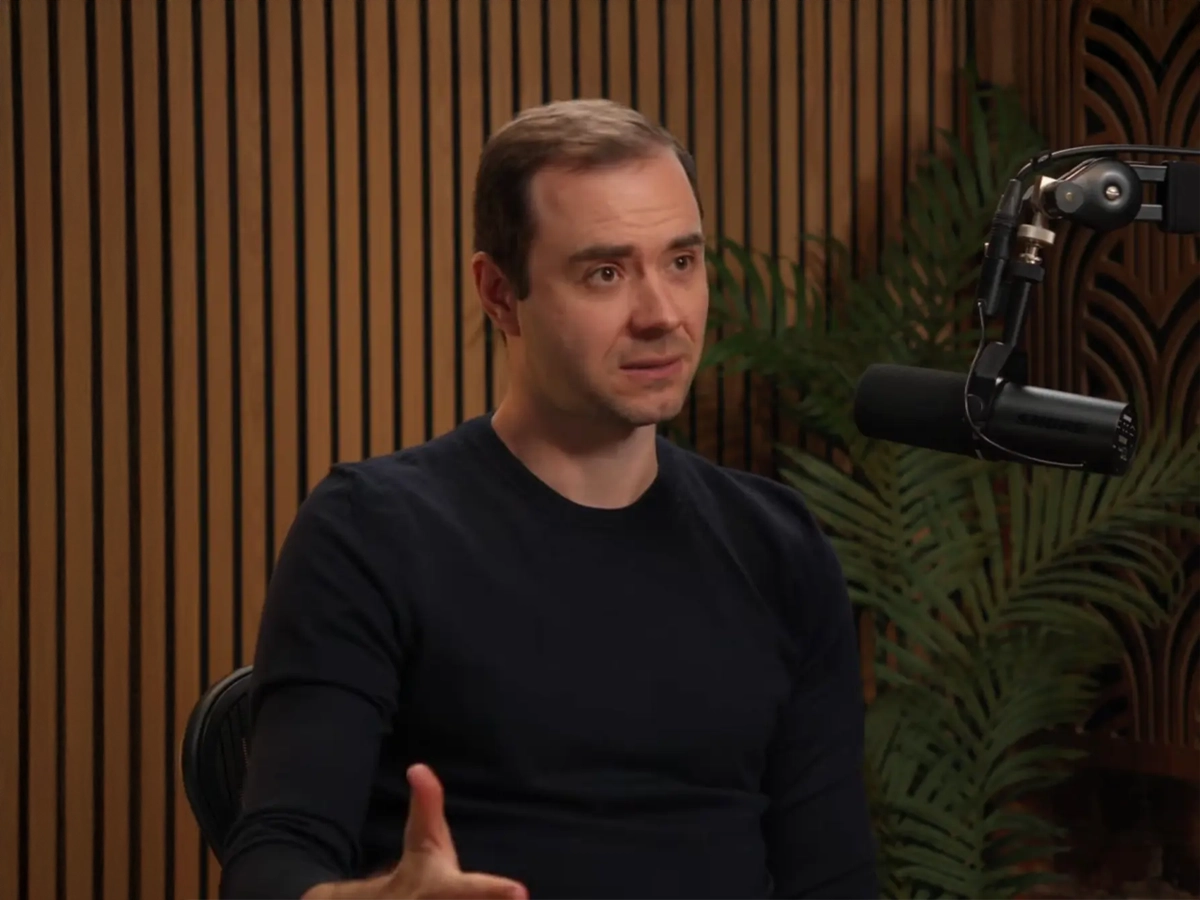
At Cloudflare, CEO Matthew Prince drew a distinction that cuts directly to questions HR and people leaders are now grappling with. Prince wrote that the vast majority of those laid off were "measurers," his term for employees in middle management, finance, legal, internal auditing, and revenue recognition. He said the layoffs were not about reducing headcount, but about shifting the nature of work, and that the company kept its builders and sellers. This came even as Cloudflare reported quarterly revenue of $639.8 million, up 34% year-over-year and the highest single quarter in company history.
Prince went further than most by publishing a Wall Street Journal op-ed making his position public record. The message to the market was deliberate: this is a structural decision, not a financial one.
Oracle made its version of the same argument at a different order of magnitude. The company's cuts totaled 21,000 over 12 months, as disclosed in its June 22 annual filing, even as it posted $3.7 billion in quarterly net income, up 27% year-over-year, with remaining performance obligations up 325% to $553 billion. The savings are being redirected toward AI data centers.
The same pattern appeared at Amazon. The company cut 16,000 corporate jobs in January 2026, following 14,000 cuts in October 2025, approximately 9% of its corporate workforce in three months. CEO Andy Jassy had previously said that as generative AI and agents are deployed, it will change how work is done and reduce the total corporate workforce as the company gets efficiency gains from using AI extensively across the company.
At Meta, CEO Mark Zuckerberg told staff during the company's May 2026 round of 8,000 cuts that success is not a given in AI, framing the reduction as a competitive necessity rather than a cost measure.
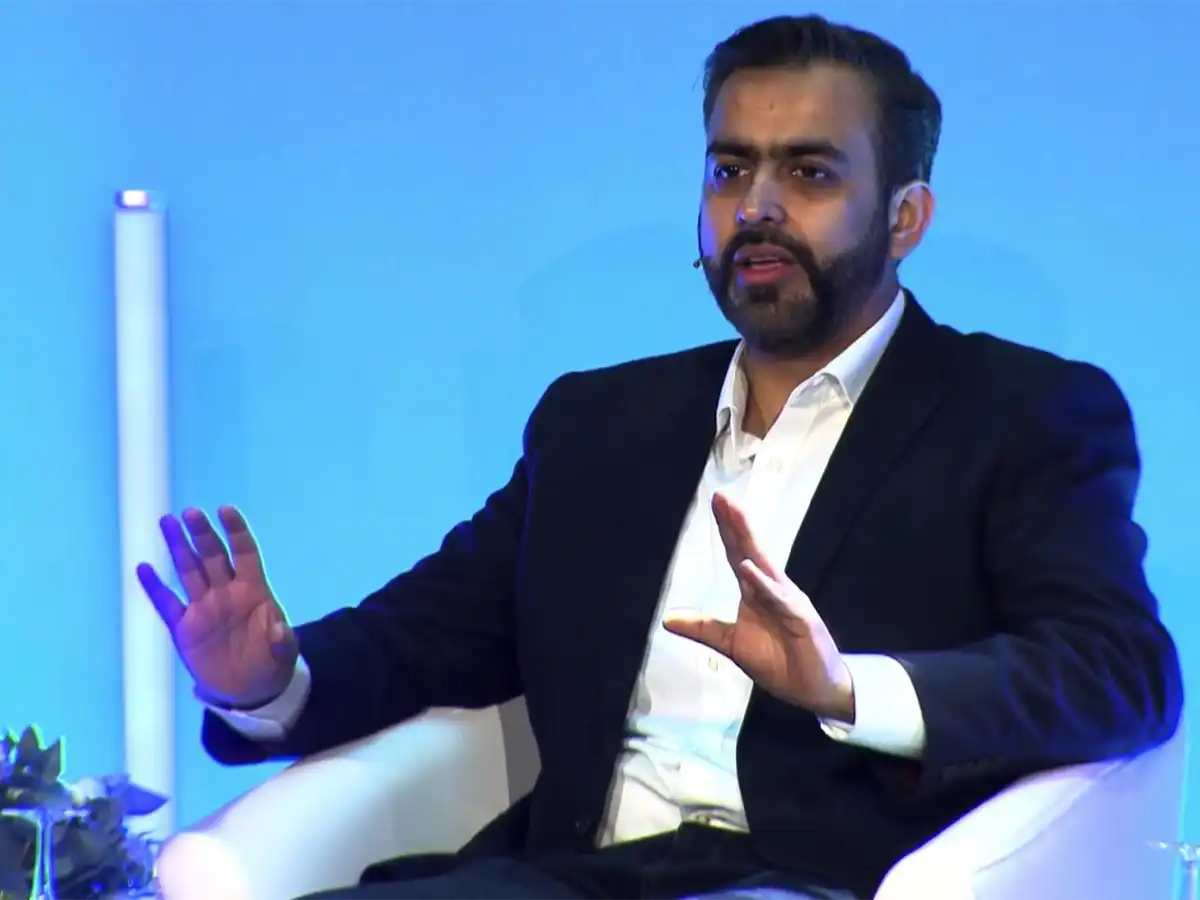
GitLab CEO Bill Staples signaled the same direction, with one notable difference in style. Rather than announce a final number, Staples sent a transparent memo to employees laying out the reasoning in advance, saying getting the shape of the next GitLab right matters more than getting it fast, and committing to do this once and do it right. He described agentic workloads as pushing competitors to the brink and said the company had begun what he called a generational rebuild of its core infrastructure to support 100x growth requirements.
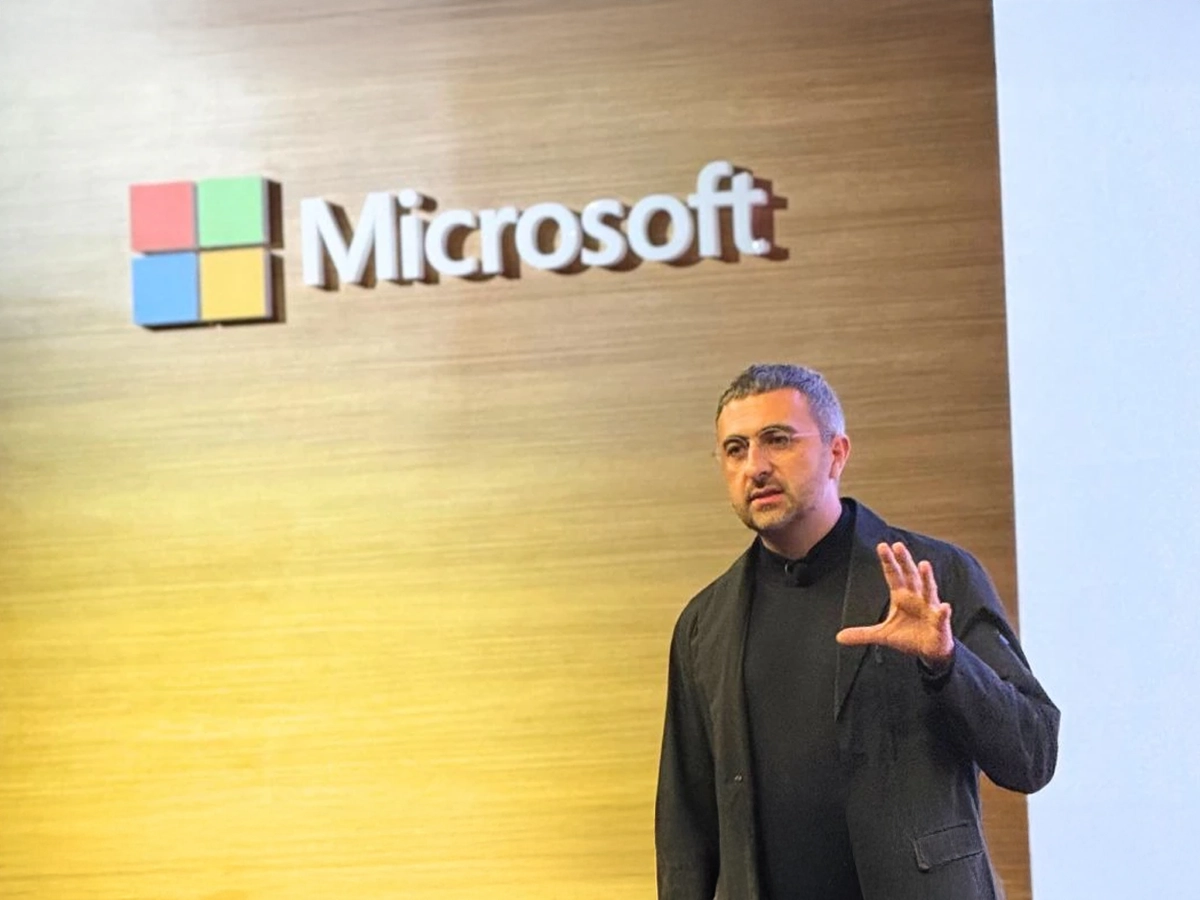
Intuit CEO Sasan Goodarzi told staff the company is reducing complexity and simplifying structure to deliver better products, as the company announced plans to eliminate roughly 3,000 jobs, about 17% of its workforce, reallocating resources toward AI.
The question of what all of this means for CHROs and people leaders sits in a specific and uncomfortable place. For human resources executives, the data surfaces a layered challenge: managing the human cost of AI-driven restructuring while simultaneously preparing the organization for the workforce model that comes after it.
Despite the headline layoff figures, the technology sector led May hiring announcements with 11,250 planned new positions, more than any other industry, even as it remained the year's biggest source of job cuts. This is the specific tension CHROs are navigating: not a wholesale reduction in headcount, but a rapid rotation away from certain functions toward others. The roles being eliminated and the roles being created are often not interchangeable, which makes transition planning far more difficult than the public announcements suggest.
Challenger has noted that workers will need to be more strategic as they lead AI-powered agents that handle increasingly complex tasks. The implication for HR leaders is that the skills inventory question, what the workforce currently knows and what it needs to know, is now pressing rather than aspirational.
Salesforce offers a case study in what this looks like operationally. The company cut around 4,000 customer support roles after deploying AI systems that handle a growing share of service requests. CEO Marc Benioff said the cuts were possible because AI agents now handle about 50% of customer interactions, allowing the company to rebalance headcount. A further 1,000 jobs were cut in early 2026. The rebalancing language is precise: not elimination of function, but substitution of execution.
At Cisco, CFO Mark Patterson said the restructuring was not savings-driven but rather about realigning resources around silicon, optics, security, and AI, despite the company reporting better-than-expected profit and revenue when it announced nearly 4,000 cuts in May.
Any leadership team taking these announcements at face value is operating with incomplete information. Deutsche Bank analysts noted that AI redundancy washing is a significant trend in 2026, and even OpenAI's CEO has acknowledged that some companies blame AI for layoffs they would have made regardless.
The pattern of companies reporting record revenues while simultaneously culling workforces and pointing to AI as both the engine of growth and the reason for the cuts raises questions about what is actually driving these decisions. For many companies, the roles being cut today ballooned during the pandemic hiring surge, which means some portion of these reductions would have occurred under any rationale.
Andy Challenger, chief revenue officer of Challenger, Gray & Christmas, said directly: regardless of whether individual jobs are being replaced by AI, the money for those roles is. The budget is moving whether or not the automation is mature enough to justify it, and the job title on the announcement is a secondary question.
Twelve months ago, linking layoffs to AI would have been a PR risk. Now it is framed as operational sophistication, a sign that companies are at the technological forefront. That shift in how the market receives these announcements has changed the incentive structure for CEOs making them.
Across the announcements of the past six months, two distinct communication strategies have emerged.
The first treats AI as a structural forcing function and says so without qualification. Dorsey and Prince fall into this category. Their statements are written for a specific audience: investors, boards, and the talent market. They are making an argument about where their companies are positioned in a competitive field, and the workforce reduction is evidence of that positioning.
The second uses AI as one element within a broader restructuring narrative. Amazon, Oracle, and Cisco lean toward this approach. The AI rationale is present but sits alongside language about reducing bureaucracy, simplifying structure, and realigning resources. This framing is more defensible legally and operationally, and it leaves more room for subsequent explanation.
The communication choice matters beyond messaging. Most announcements detail efficiency gains with precision while transition plans for affected workers remain vague or nonexistent. For CHROs, this is the gap that creates organizational risk: workforce reductions that outpace reskilling programs, and public statements that frame displacement as progress without a corresponding commitment to the people displaced.
Cuts attributed to acquisitions and mergers have reached 11,989 year-to-date through May 2026, more than six times the 1,889 recorded in the same period of 2025. This secondary wave, which Andy Challenger described as companies restructuring aggressively to reposition for an AI economy, suggests that the workforce changes underway are not limited to organic technology adoption. They are being accelerated through M&A activity, which creates its own distinct set of integration and people management challenges.
The organizational design question that sits underneath all of these announcements, what the right shape of a technology company looks like when AI handles a growing share of execution, is one that CEOs and CHROs are working through in real time, in public, with significant variation in how thoughtfully they are doing it.















Stay informed wherever you are — join our growing community of readers and followers across social platforms.
Choosing a Search Firm
Compensation Intelligence
Board & Governance
Succession Strategy
AI Leadership Trends
Talent & Workforce Trends
AI Leadership Appointments
Compensation Changes
Big Tech Succession
CHRO & CPO Appointments
CEO Transitions
Board Members and Governance Committees
Operating Partners at private equity and venture capital firms
CHROs and Chief People Officers
HR leaders responsible for executive hiring
CEOs and Founders

.svg)
.svg)