






.png)






.png)

















Join 1M+ Readers Who Never Miss a Headline.
Stay informed wherever you are — join our growing community of readers and followers across social platforms.
Choosing a Search Firm
Compensation Intelligence
Board & Governance
Succession Strategy
AI Leadership Trends
Talent & Workforce Trends
AI Leadership Appointments
Compensation Changes
Big Tech Succession
CHRO & CPO Appointments
CEO Transitions
Board Members and Governance Committees
Operating Partners at private equity and venture capital firms
CHROs and Chief People Officers
HR leaders responsible for executive hiring
CEOs and Founders
July 31, 2026

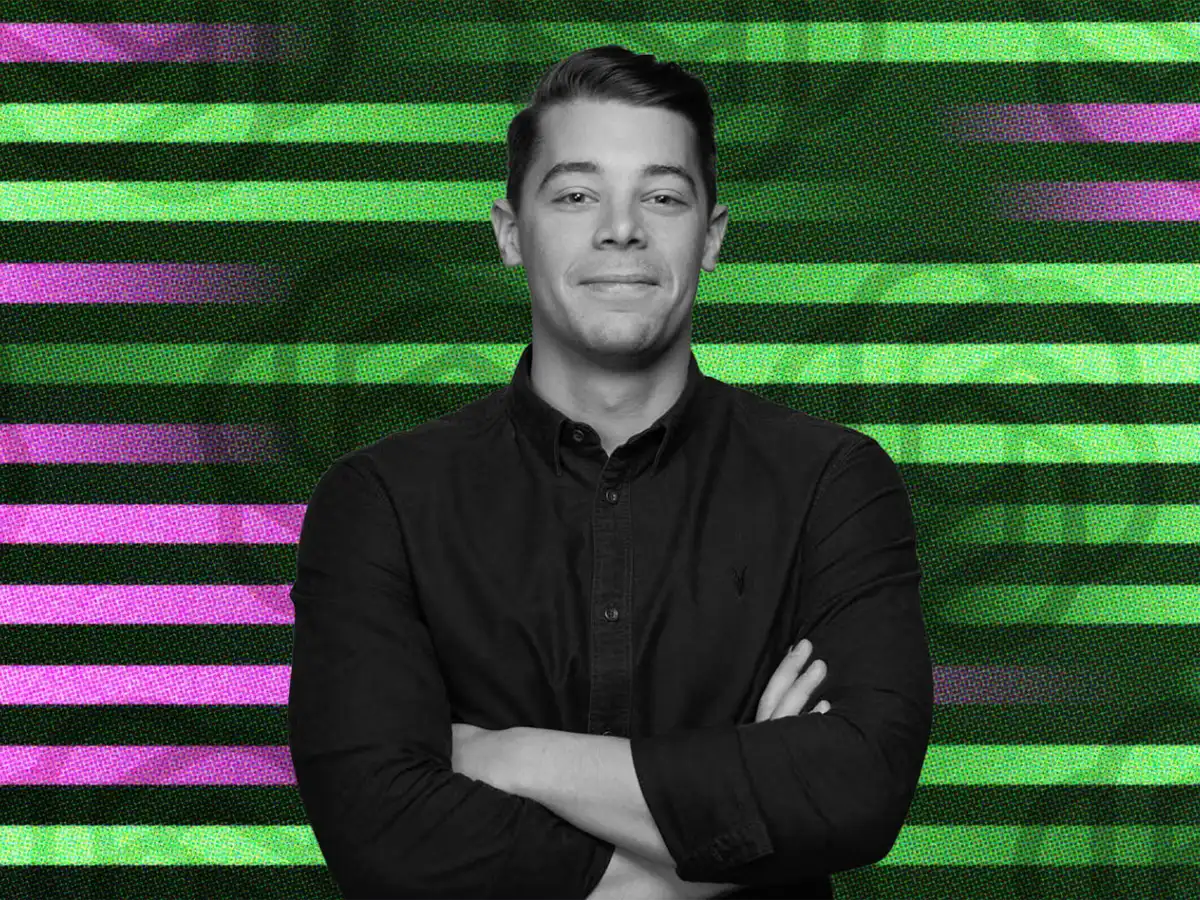
Six months after Workday's board made one of the rarest succession decisions a public company can make, the reasoning behind it is easier to read. Co-founder Aneel Bhusri returned to the CEO chair in February, replacing Carl Eschenbach after two years as sole chief executive. Workday confirmed the move is permanent rather than a placeholder during a search, and it took effect immediately.
Boomerang CEOs are not new. Starbucks brought back Howard Schultz. Dell has cycled through founder-led stretches more than once. The pattern usually points to one thing: when a board reaches back for a former leader instead of promoting from within or running a fresh search, it often reflects a board's decision that continuity has become more valuable than staying the course with its original succession plan.
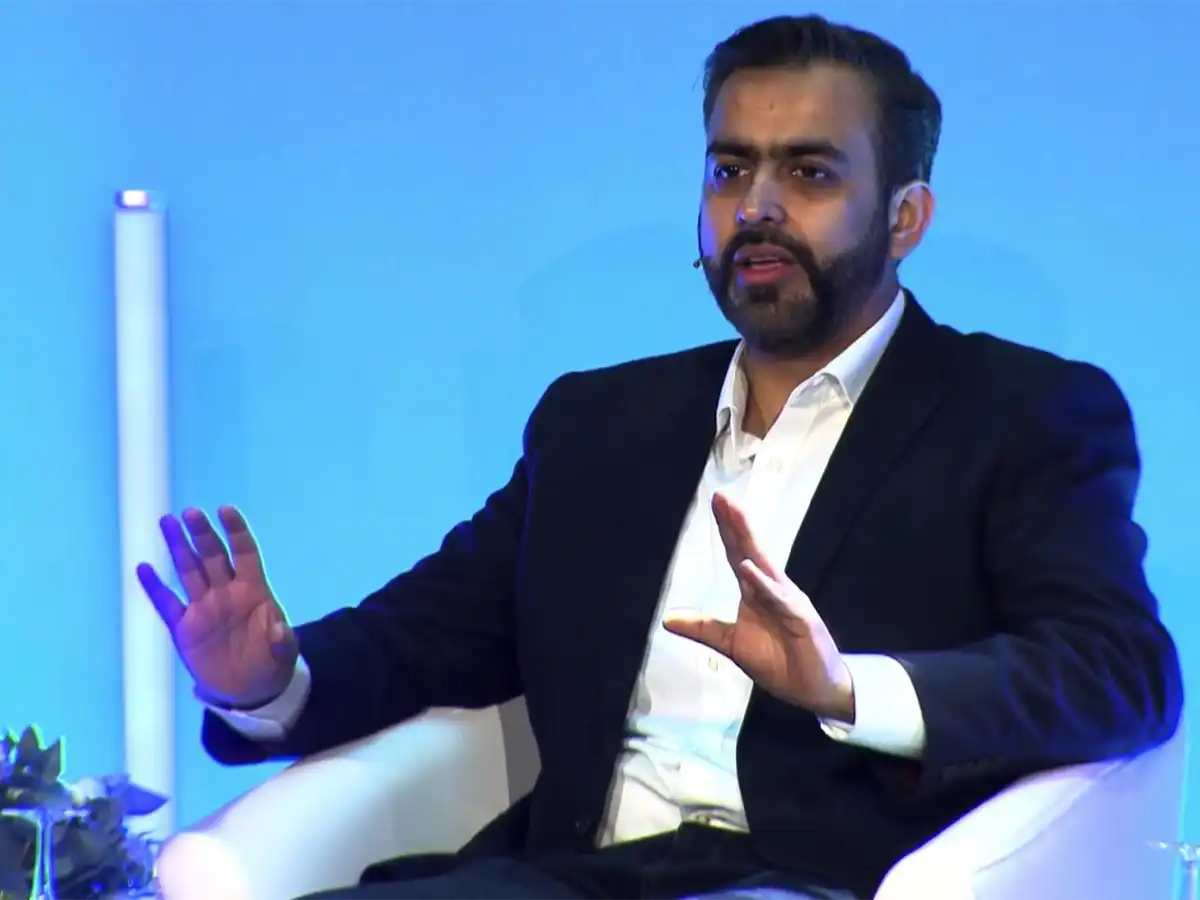
Eschenbach came in with a strong resume, including 14 years at VMware and a run as a venture partner at Sequoia. On paper, he fit the profile companies want in enterprise software: deep operating experience and a track record scaling technical organizations. His departure after two years as sole CEO, with Bhusri stepping back in immediately, raises a question boards eventually face: how much of a succession plan depends on the successor, and how much depends on the founder's willingness to step back completely?
Six months in, Bhusri's return has held. Workday confirmed the move as permanent rather than a bridge to a future search, and no successor process has since been announced.
Workday operates in a crowded enterprise software field, with AI-native competitors pressuring incumbents on product velocity. Read against that backdrop, the timing makes sense as a bet on speed. Bhusri has deep institutional knowledge of the company and its culture, and reinstalling him removes the ramp-up period a new external hire would otherwise need during a fast-moving competitive window.
Schultz returned to Starbucks during a real slide in the business. Dell returned to steer his company through a turnaround. Workday's board made a similar bet, reaching for a founder during a moment of real pressure, which is what gives the succession question here real weight.
Naming a successor is only the beginning of succession planning. The transition continues long after the announcement, as authority and decision-making gradually shift to the new CEO. When those boundaries remain unclear, boards can find themselves returning to the founder during periods of uncertainty.
For companies watching from outside, the takeaway is less about Workday specifically and more about how boards weigh continuity against fresh perspective during a founder-to-successor transition. A strong resume is necessary but not sufficient. Boards also have to account for how much institutional knowledge and cultural fluency the founder still holds, since that gap is often what a board ends up closing when growth slows.
Executive search firms frequently advise boards that succession planning extends well beyond selecting a successor. Clarifying the founder's future role and relationship with the board often determines whether a transition holds over time.
The Bhusri return, six months on, already answers part of the question other boards will eventually face: is the incoming leader being handed real authority, or a conditional mandate that can be revoked the moment growth slows? Boards that cannot answer that question clearly may find themselves revisiting the same succession decision sooner than expected.









Stay informed wherever you are — join our growing community of readers and followers across social platforms.
Choosing a Search Firm
Compensation Intelligence
Board & Governance
Succession Strategy
AI Leadership Trends
Talent & Workforce Trends
AI Leadership Appointments
Compensation Changes
Big Tech Succession
CHRO & CPO Appointments
CEO Transitions
Board Members and Governance Committees
Operating Partners at private equity and venture capital firms
CHROs and Chief People Officers
HR leaders responsible for executive hiring
CEOs and Founders

.svg)
.svg)