








.png)













.png)

























Join 1M+ Readers Who Never Miss a Headline.
Stay informed wherever you are — join our growing community of readers and followers across social platforms.
Choosing a Search Firm
Compensation Intelligence
Board & Governance
Succession Strategy
AI Leadership Trends
Talent & Workforce Trends
AI Leadership Appointments
Compensation Changes
Big Tech Succession
CHRO & CPO Appointments
CEO Transitions
Board Members and Governance Committees
Operating Partners at private equity and venture capital firms
CHROs and Chief People Officers
HR leaders responsible for executive hiring
CEOs and Founders
September 4, 2026

Demand for the role is projected to rise 2,100% by the end of the year. The talent pool has not moved, and the companies buying are not working from the same job description.
Executive search firm Christian & Timbers puts the number of US engineers who combine sector expertise, executive credibility, and hands-on applied AI delivery at roughly 2,000.
The study, shared exclusively with TechCrunch, leaves no room for a generous reading of the figure: "Not 2,000 available," the research reads, "2,000 total."
The research runs from January to June 2026 and draws on:
In January, 5% to 10% of companies planned to hire forward-deployed engineers, mostly for small pilots.
By the close of the second quarter, 70% did. The largest consulting and services firms reported a need to multiply FDE headcount tenfold, standing up full teams of 20 to 100 people.
C&T projects demand growth of 2,100% by the end of the year.
The pressure shows up in other counts as well. Demand for the role rose 729% over the year, dev.ua reported earlier, with OpenAI, Anthropic, Palantir, and Stripe hiring actively.
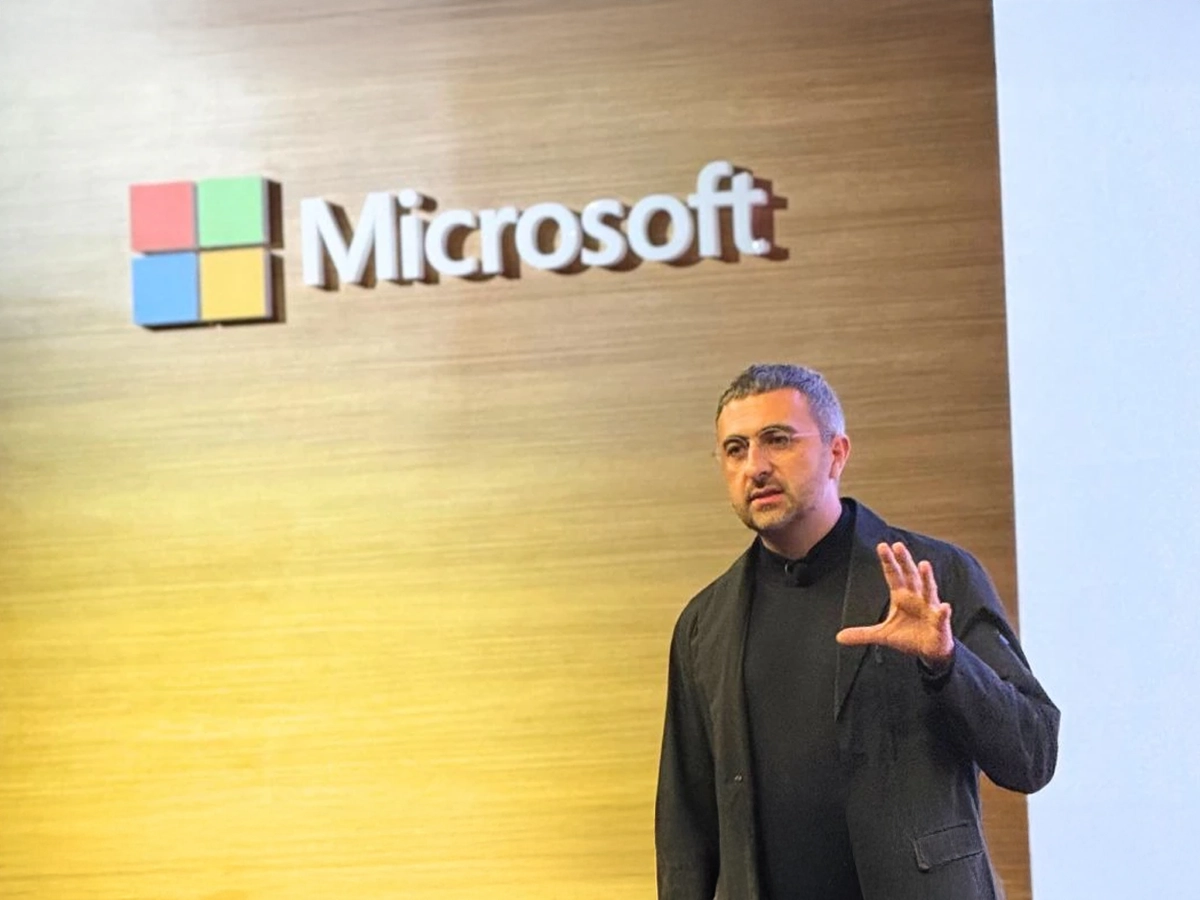
Palantir, the company most associated with the role, defines the work narrowly.
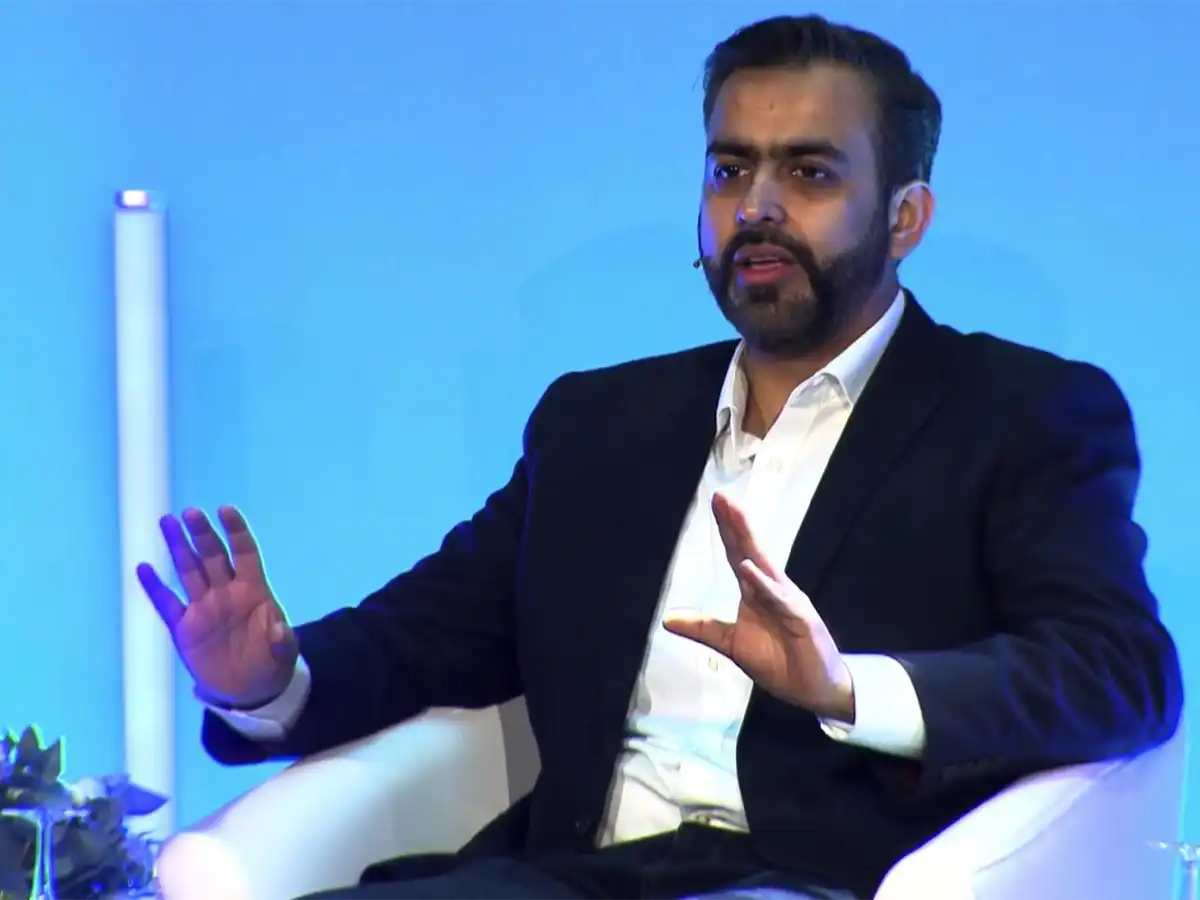
Ganesh, who led Project Frontline at Palantir, described the FDE to Business Insider as a developer who understands a customer's problem, helps integrate or refine the product for the customer, then carries the acquired experience back to the product team.
The last part is the load-bearing one. Ganesh sees the FDE as an extension of the product team before anything else. The engineer solves a customer problem and returns with an answer to a single question: what did we learn about our product? Which feature is missing, what needs reworking, which problem keeps recurring across accounts.
He also names a misuse. Some companies reach for FDEs to compensate for weak product-market fit, a situation where the product has not yet found strong enough market demand. In his view, forward-deployed engineers should not be pushing a product on buyers whose problems the product does not solve.
Project Frontline offered regular software engineers a few months on the FDE team, closer to customers.
Participants were sometimes relocated temporarily to corporate housing in another city. Each one worked under two mentors at once, a manager on the FDE side and a manager on the product development side. After the rotation, some stayed in FDE and some returned to product teams.
The design answered a gap in perception. Product developers did not always feel how urgent a real customer's problems were. Forward-deployed engineers saw those problems directly. The rotation existed to close the distance between the two.
Read the scarcity figure against the Palantir account and the story turns into arithmetic.
Titles will stretch. If the elite pool holds 2,000 people nationally and 70% of surveyed companies now want FDE capacity, most resulting hires will not come from the pool. Solutions architects, implementation consultants, and sales engineers get relabeled, and the role starts to mean whatever the hiring manager needed to fill this quarter. Ganesh's warning about product-market fit describes the same drift from the customer side: once the label loses definition, the function slides toward pushing product instead of learning from deployment.
The shortage is structural. Sector knowledge takes years inside an industry. Executive presence takes years of sitting across from buyers. Applied AI delivery takes shipped systems in production. No job posting assembles the three in a quarter.
Recruiting does not close the gap. Companies needing teams of 20 to 100 forward-deployed engineers are competing for a national pool of 2,000. Palantir's rotation is a production line for the skill instead: pull engineers who already know the product, put them in front of customers with two mentors and a return path, and accept a mixed outcome where some stay in the field and some go back to product carrying customer urgency with them.
Two questions now separate the companies chasing the role. The first is whether they know what the FDE is supposed to bring back. The second is whether they plan to buy the skill or build it.
Only one of those answers scales past 2,000.




















Stay informed wherever you are — join our growing community of readers and followers across social platforms.
Choosing a Search Firm
Compensation Intelligence
Board & Governance
Succession Strategy
AI Leadership Trends
Talent & Workforce Trends
AI Leadership Appointments
Compensation Changes
Big Tech Succession
CHRO & CPO Appointments
CEO Transitions
Board Members and Governance Committees
Operating Partners at private equity and venture capital firms
CHROs and Chief People Officers
HR leaders responsible for executive hiring
CEOs and Founders

.svg)
.svg)