






.png)







.png)





















Join 1M+ Readers Who Never Miss a Headline.
Stay informed wherever you are — join our growing community of readers and followers across social platforms.
Choosing a Search Firm
Compensation Intelligence
Board & Governance
Succession Strategy
AI Leadership Trends
Talent & Workforce Trends
AI Leadership Appointments
Compensation Changes
Big Tech Succession
CHRO & CPO Appointments
CEO Transitions
Board Members and Governance Committees
Operating Partners at private equity and venture capital firms
CHROs and Chief People Officers
HR leaders responsible for executive hiring
CEOs and Founders
September 10, 2026
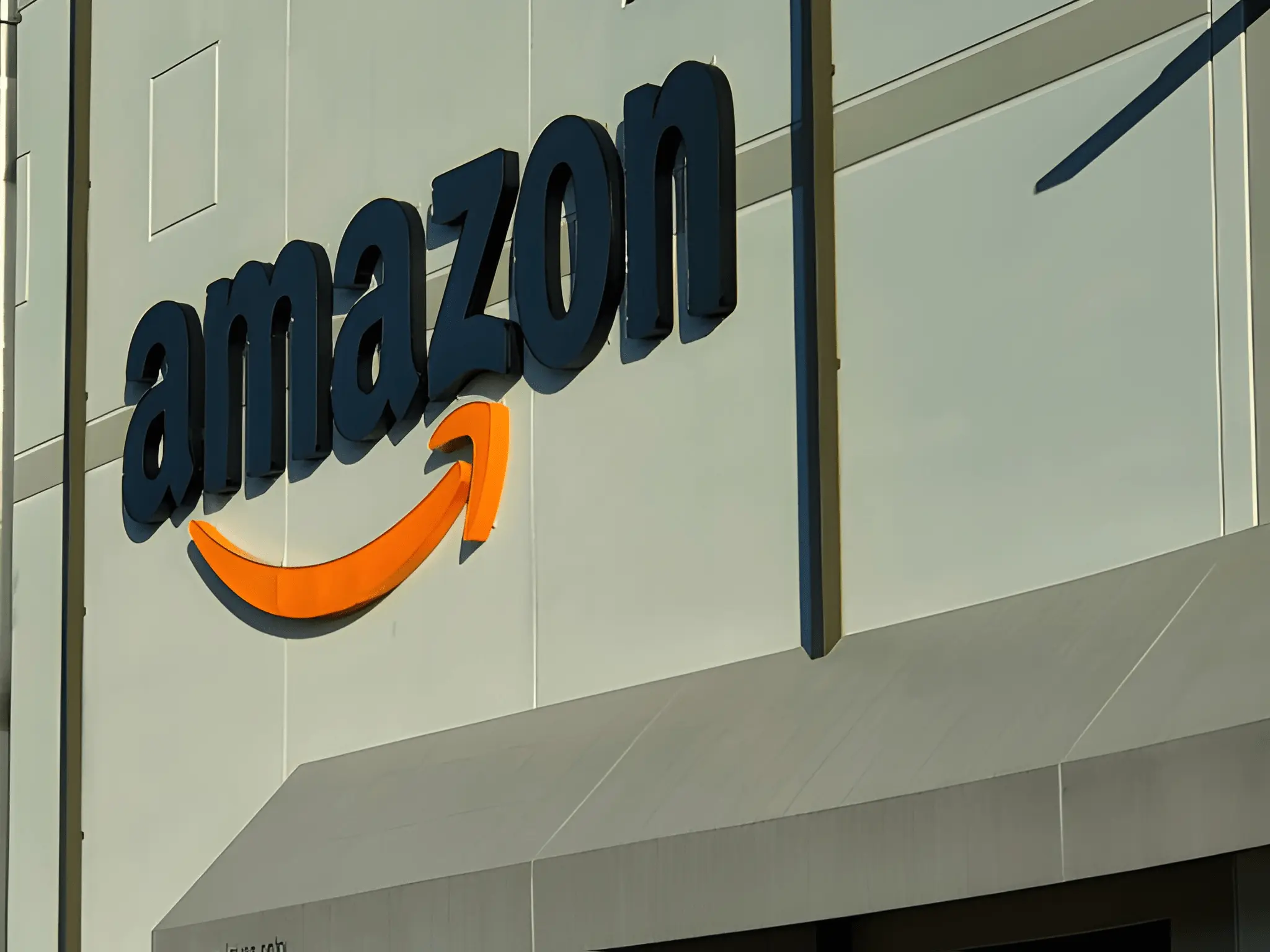
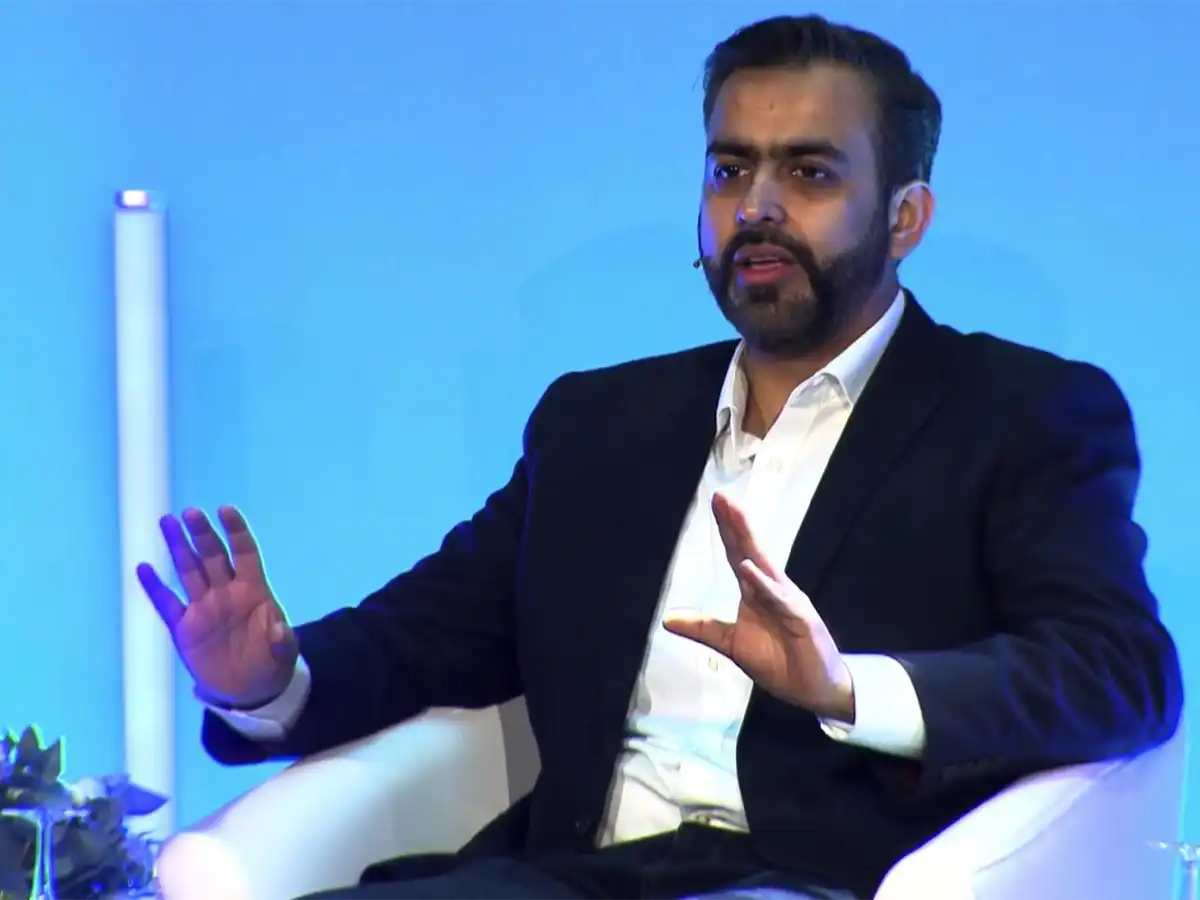
Amazon elected cybersecurity executive Kevin Mandia to its board of directors, effective September 8. He’ll sit on the Audit Committee and the Security Committee, according to the company’s securities filing.
The appointment continues Amazon's commitment to dedicated cybersecurity expertise at the board level. Former NSA director Keith Alexander held a board seat from 2020 until stepping down earlier this year. He also led U.S. Cyber Command.
Mandia brings more than two decades of experience investigating corporate breaches. That work placed him in rooms with executives responsible for explaining what happened and why existing defenses failed.
The Security Committee is chaired by Dan Huttenlocher, dean of MIT’s Schwarzman College of Computing. Former Bridgewater co-CEO Jon Rubinstein also serves on it. The committee oversees Amazon's cybersecurity policies and its response to major cyber incidents.
Mandia’s Audit Committee appointment extends his responsibilities into financial reporting and disclosure. A breach can create costs that reach well beyond the security team. Directors must examine management’s account of the incident, establish an accurate timeline, and determine where responsibility sat.
Mandia founded Mandiant in 2004 and built it into a major name in incident response and threat intelligence. Its teams examined attacks against major companies and government agencies. He became CEO in 2016.
Google agreed to acquire Mandiant in 2022 for approximately $5.4 billion and completed the transaction that September. Mandia remained at Google as a strategic advisor through July 2025.
Earlier in his career, he worked as a computer security officer at the Pentagon and as a special agent in the Air Force Office of Special Investigations.
Amazon granted Mandia 4,086 restricted stock units after electing him to the board. The award will vest in three equal annual installments beginning November 15, 2027, subject to his continued board service.
Mandia’s work at Armadin gives Amazon a director with recent experience building an AI security company. He founded the startup in September 2025 and serves as its CEO.
Armadin uses agentic AI to probe corporate networks through simulated attacks. The company calls the method a “Hyperattack.” Its systems search for exploitable paths so security teams can address them before an intruder does.
Mandia is also a co-founder and general partner at Ballistic Ventures. The firm invests in cybersecurity companies and works with founders building products for emerging security problems.
Amazon connected his appointment with advances in AI. Its announcement described cybersecurity as a consequential responsibility for organizations and said the risks continue to develop alongside AI.
AWS supports sensitive workloads for corporations and government agencies. Amazon is also putting AI deeper into its cloud services and consumer products. His Armadin experience can help directors question how Amazon tests its defenses for exploitable paths before attackers find them.
Amazon’s choice shows that boards are placing greater weight on leaders who can connect a technical failure with its financial and operational consequences. That expectation now applies to CISO and CTO searches, along with VP and SVP appointments.
Responsibility often spans the VP of AI and VP of Engineering. Search committees should establish each leader’s decision authority before evaluating candidates.
Interviews should examine which controls a candidate personally owned and who had the authority to stop a deployment. Ask them to walk through a specific incident: what changed in company policy afterward, and who made the final call.










Stay informed wherever you are — join our growing community of readers and followers across social platforms.
Choosing a Search Firm
Compensation Intelligence
Board & Governance
Succession Strategy
AI Leadership Trends
Talent & Workforce Trends
AI Leadership Appointments
Compensation Changes
Big Tech Succession
CHRO & CPO Appointments
CEO Transitions
Board Members and Governance Committees
Operating Partners at private equity and venture capital firms
CHROs and Chief People Officers
HR leaders responsible for executive hiring
CEOs and Founders

.svg)
.svg)