




















































Join 1M+ Readers Who Never Miss a Headline.
Stay informed wherever you are — join our growing community of readers and followers across social platforms.
Choosing a Search Firm
Compensation Intelligence
Board & Governance
Succession Strategy
AI Leadership Trends
Talent & Workforce Trends
AI Leadership Appointments
Compensation Changes
Big Tech Succession
CHRO & CPO Appointments
CEO Transitions
Board Members and Governance Committees
Operating Partners at private equity and venture capital firms
CHROs and Chief People Officers
HR leaders responsible for executive hiring
CEOs and Founders
October 29, 2026
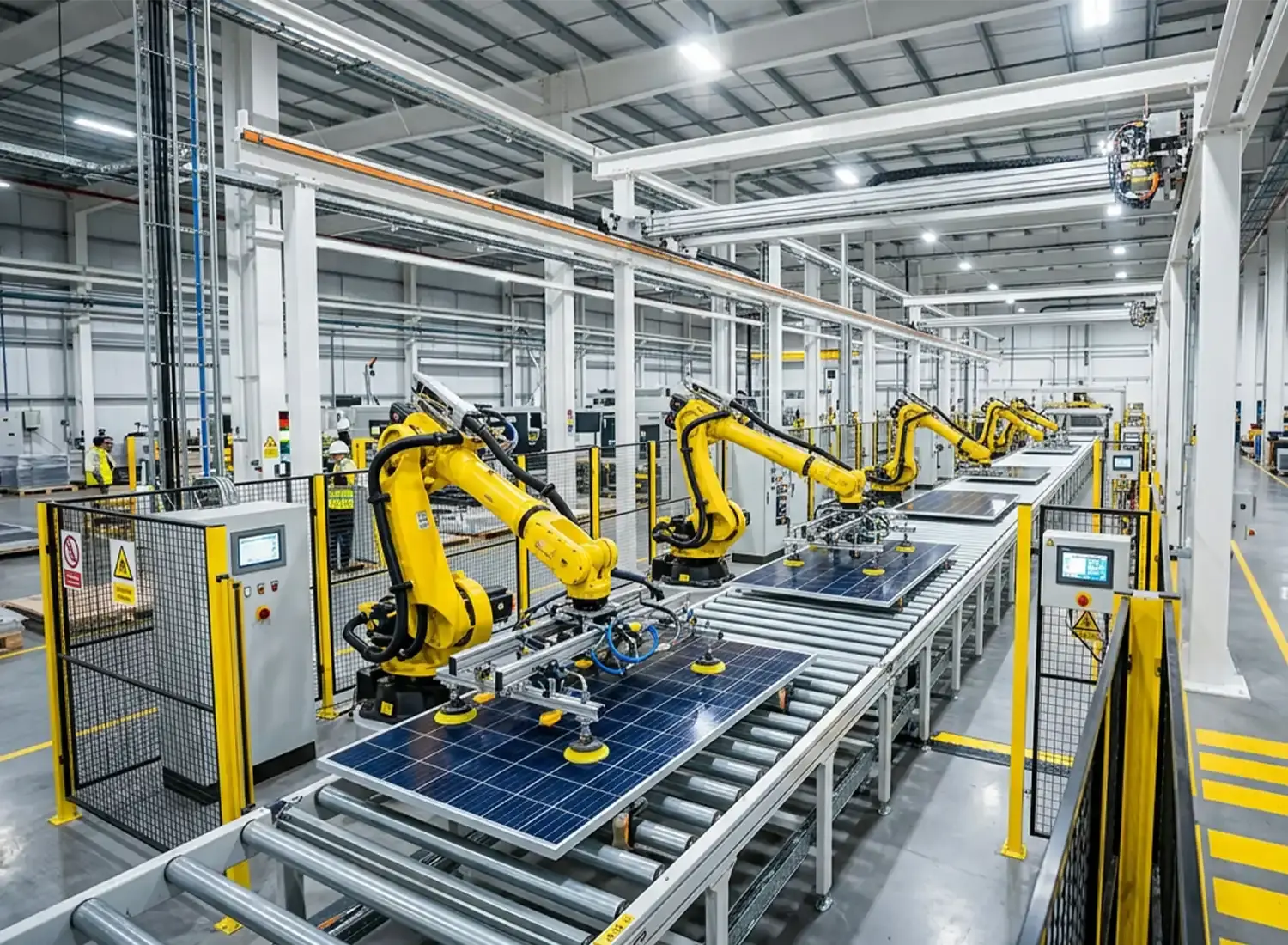
U.S. manufacturers are hiring again, but their priorities are changing.
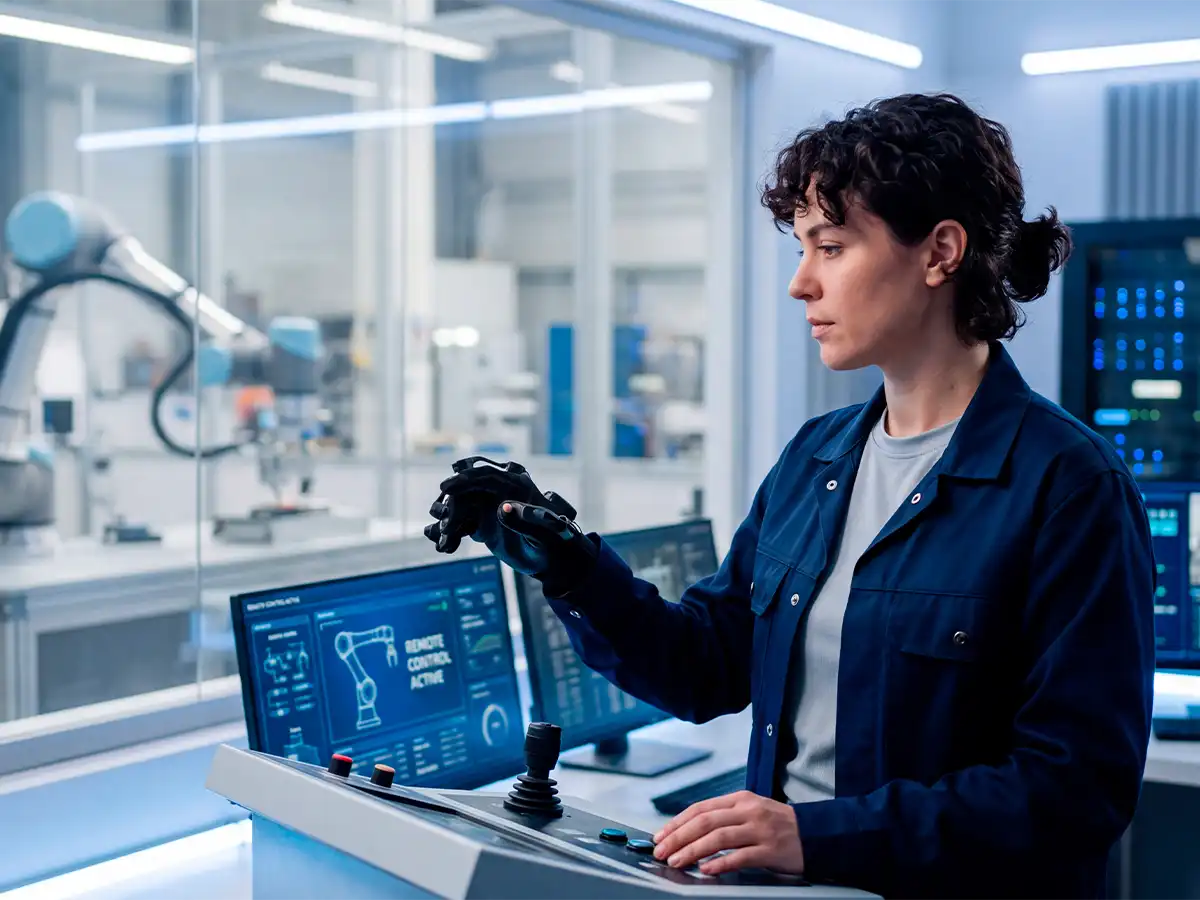
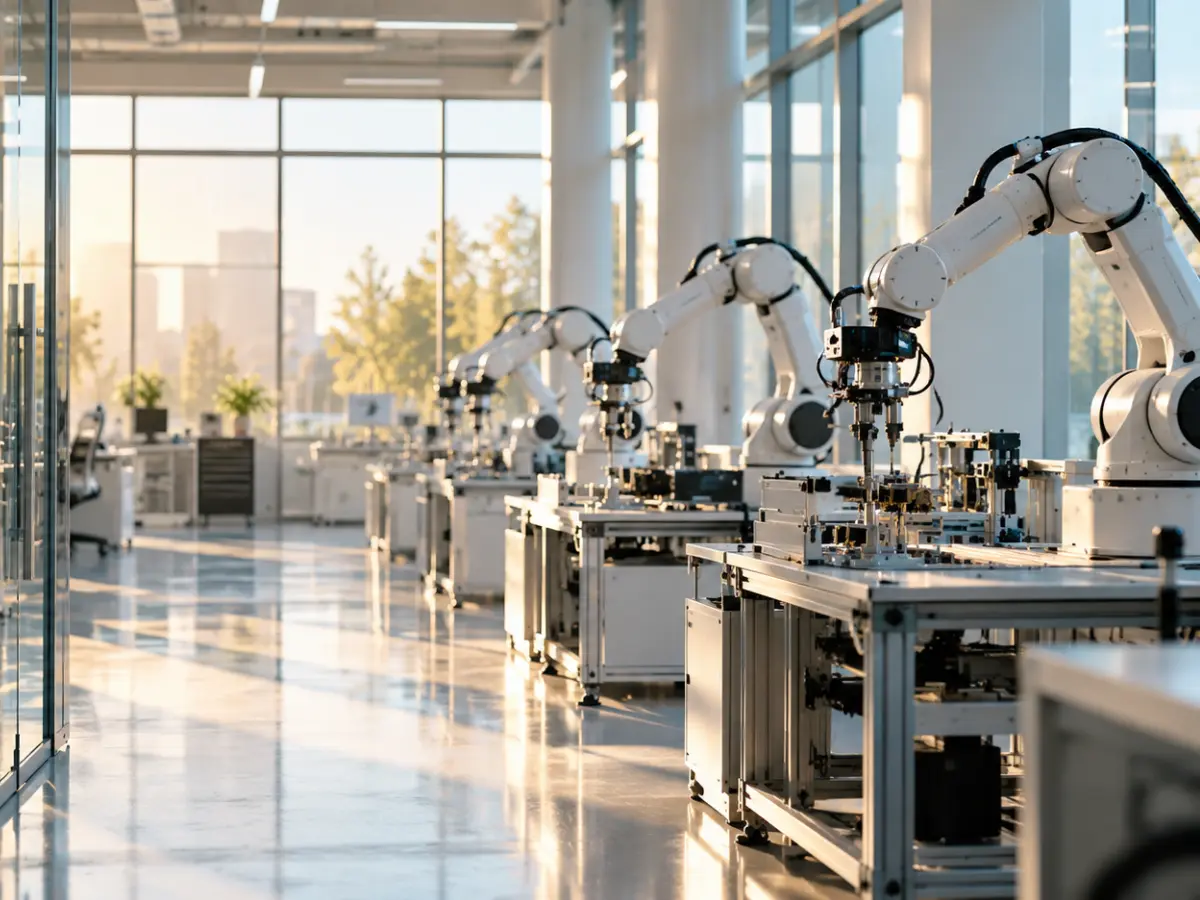
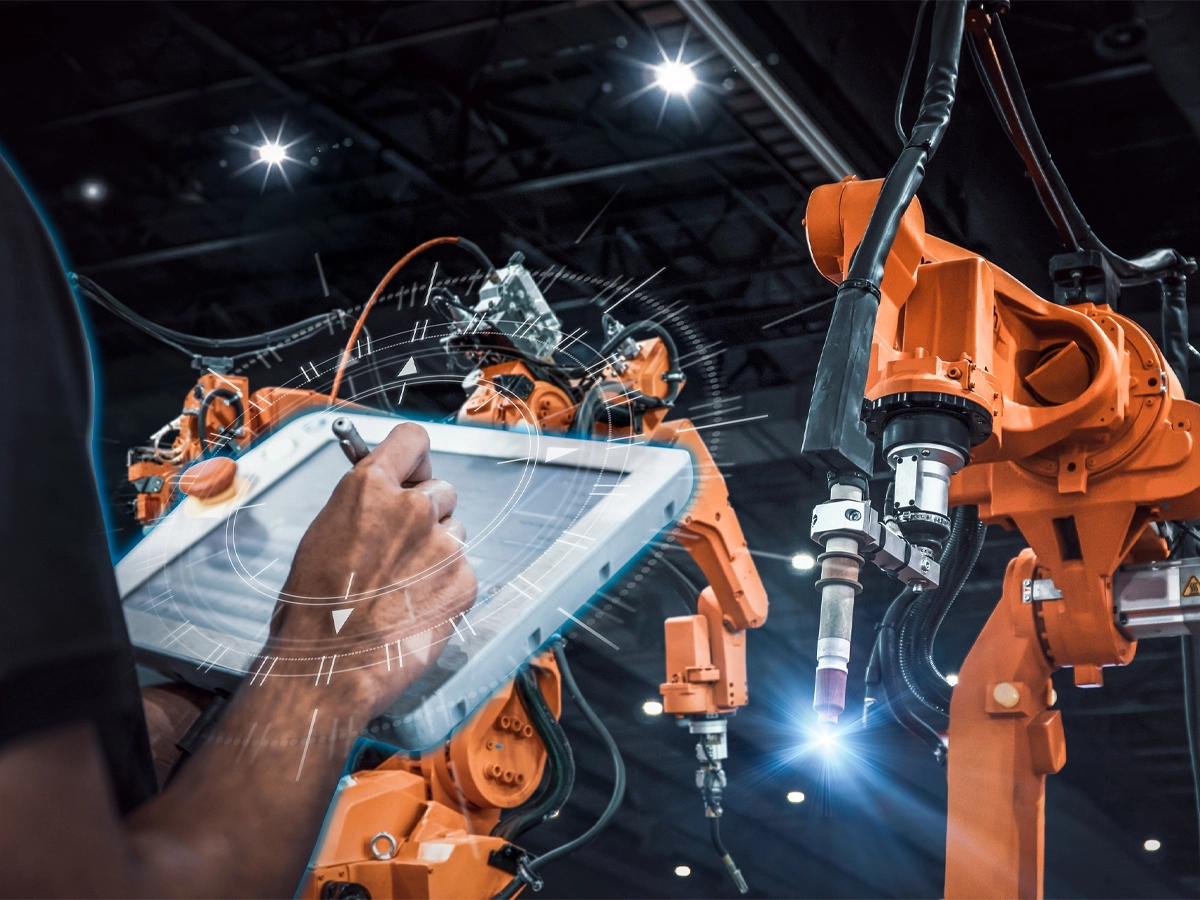
Many factories are using robots to handle repetitive tasks, so they need skilled engineers and technicians who can maintain and improve the technology.
The Labor Department data cited by The Wall Street Journal shows that U.S. manufacturers eliminated 244,000 production jobs, including assembly and machine operation, between 2015 and 2025. During the same period, they added 358,000 jobs in management, business and financial operations. This shows that manufacturing employment is changing, with businesses relying less on traditional production roles. Swift Coat offers a concrete example of how automation is changing the work process.
Swift Coat, a Phoenix-based company that makes antireflective coatings for glass used in satellites, plans to hire 2 or 3 employees by the end of the year. All the positions will require engineering degrees.
Automation is definitely changing how companies organize their work. Swift Coat has 3 technicians who handle the samples. The company plans to use robots to load and unload samples on a new production line, with only 1 or 2 workers monitoring the process. By the end of 2026, Swift Coat may hire 1 technician and 2 engineers instead of 5.
As companies rely more on data to track machines and spot technical issues, they need analysts to sift through the numbers. Robots require skilled executives who understand advanced technology and know how to use machines to improve production.
Companies need executives who know how to improve production through technology and ensure employees have the right skills to operate automated equipment.
Engineers do a great job managing the technical work, but executives have to see the bigger picture and decide where automation makes sense and whether it can reduce costs or increase output.


















Stay informed wherever you are — join our growing community of readers and followers across social platforms.
Choosing a Search Firm
Compensation Intelligence
Board & Governance
Succession Strategy
AI Leadership Trends
Talent & Workforce Trends
AI Leadership Appointments
Compensation Changes
Big Tech Succession
CHRO & CPO Appointments
CEO Transitions
Board Members and Governance Committees
Operating Partners at private equity and venture capital firms
CHROs and Chief People Officers
HR leaders responsible for executive hiring
CEOs and Founders