





.png)






.png)














Join 1M+ Readers Who Never Miss a Headline.
Stay informed wherever you are — join our growing community of readers and followers across social platforms.
Choosing a Search Firm
Compensation Intelligence
Board & Governance
Succession Strategy
AI Leadership Trends
Talent & Workforce Trends
AI Leadership Appointments
Compensation Changes
Big Tech Succession
CHRO & CPO Appointments
CEO Transitions
Board Members and Governance Committees
Operating Partners at private equity and venture capital firms
CHROs and Chief People Officers
HR leaders responsible for executive hiring
CEOs and Founders
September 28, 2026
Disney has never had a chief technology officer.
Until now.
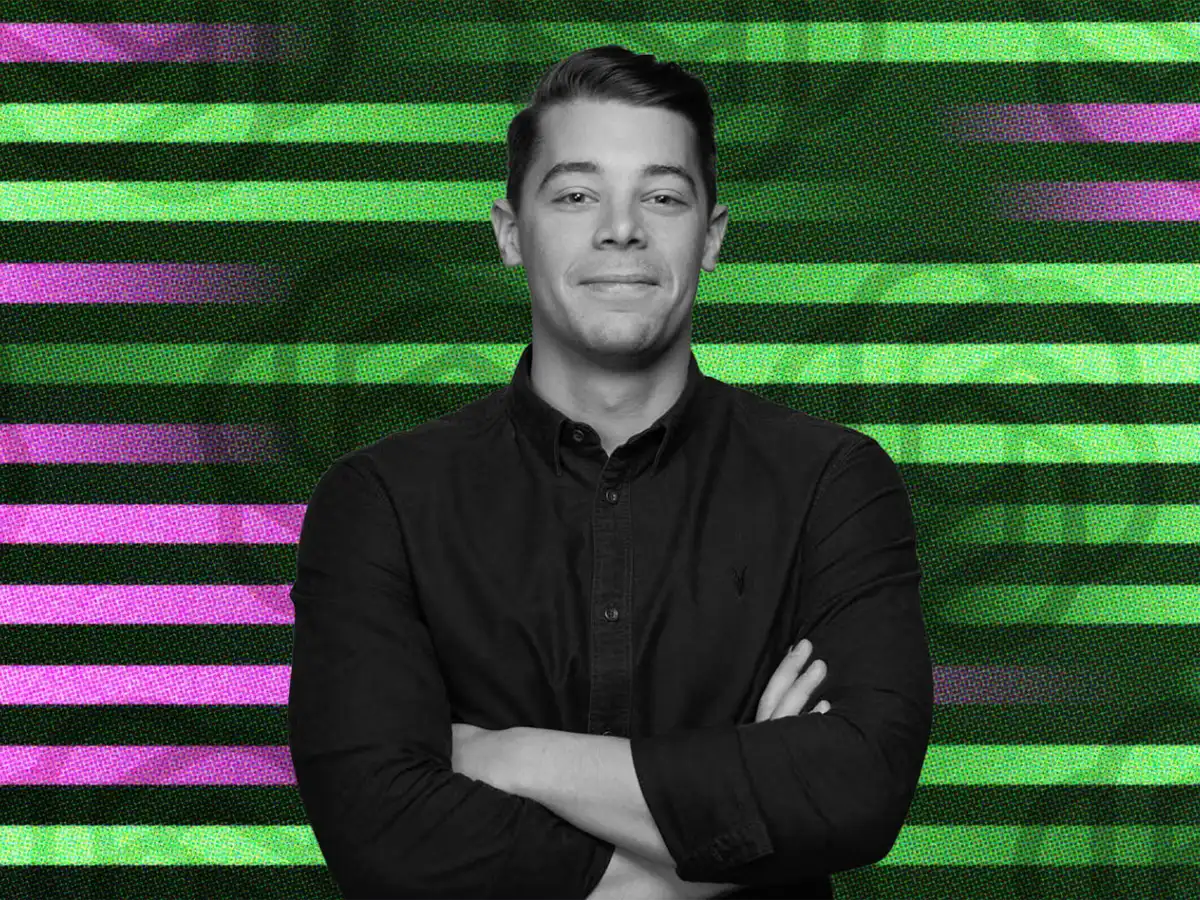
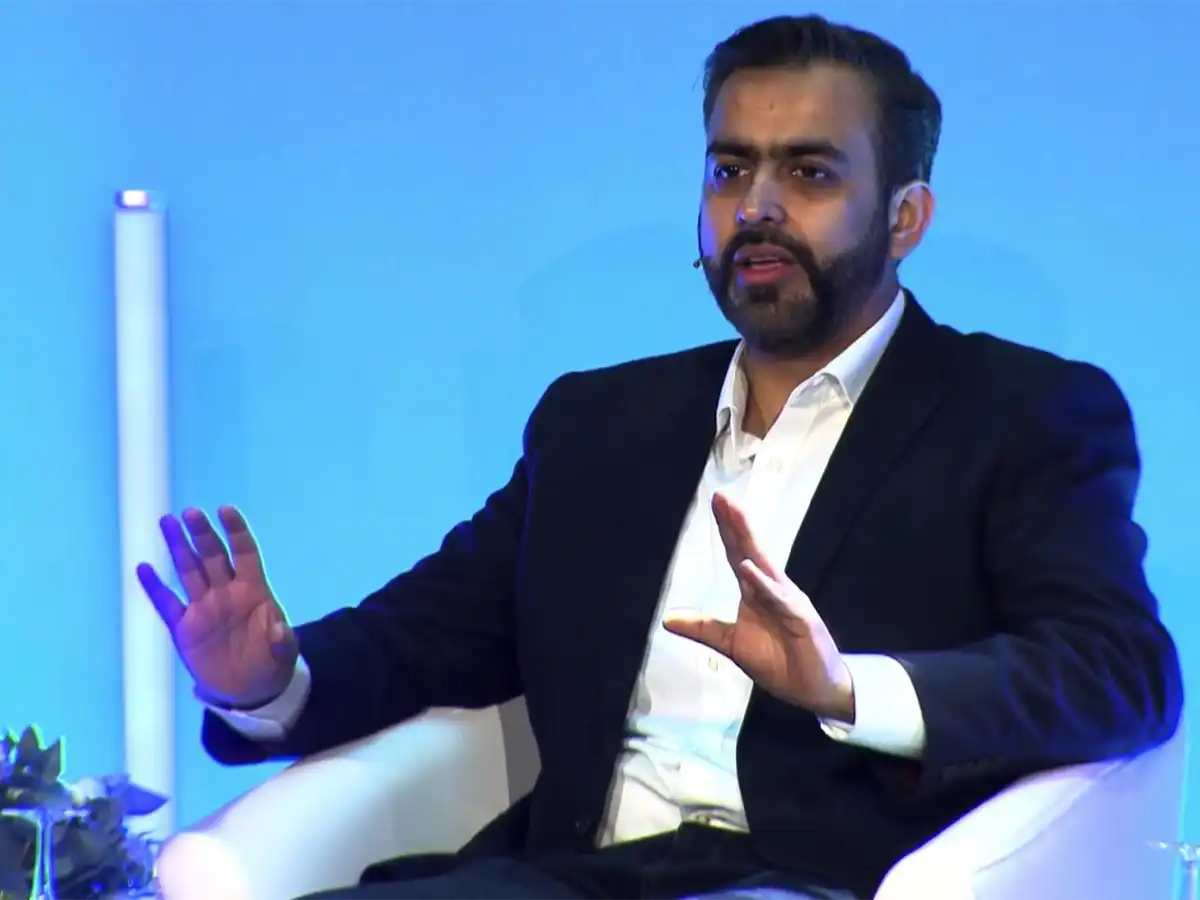
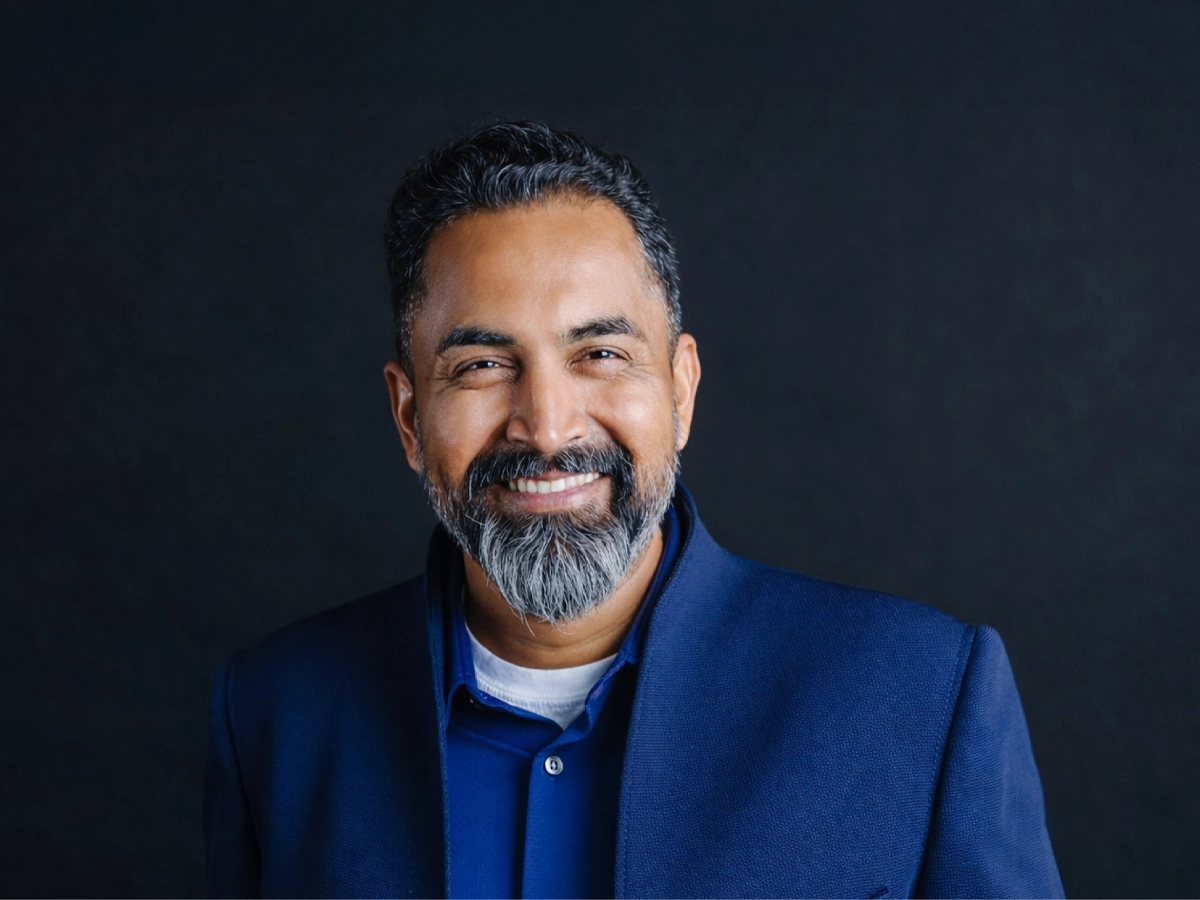
On September 18, 2026, the company named Karandeep Anand, most recently CEO of Character.AI, as senior executive vice president and CTO. It's a newly created role, and he'll report straight to CEO Josh D'Amaro once he starts on October 2.
I think that one hire says more about where the job is going than any industry survey. Over roughly a decade, the CTO went from the person who kept the servers running to one of a handful of executives deciding what a company sells and how much risk it takes on. And 2027 will change the role again.
Through most of the 1990s and 2000s, the CTO ran operations. Pick the vendors, keep the data centres running, hold the budget down.
Technology sat on the books as a cost centre, so the CTO usually reported to the CFO or COO and got measured on uptime and spend. Strategy meetings? Only now and then... if at all. At plenty of non-tech companies the title didn't exist; the CIO covered it.
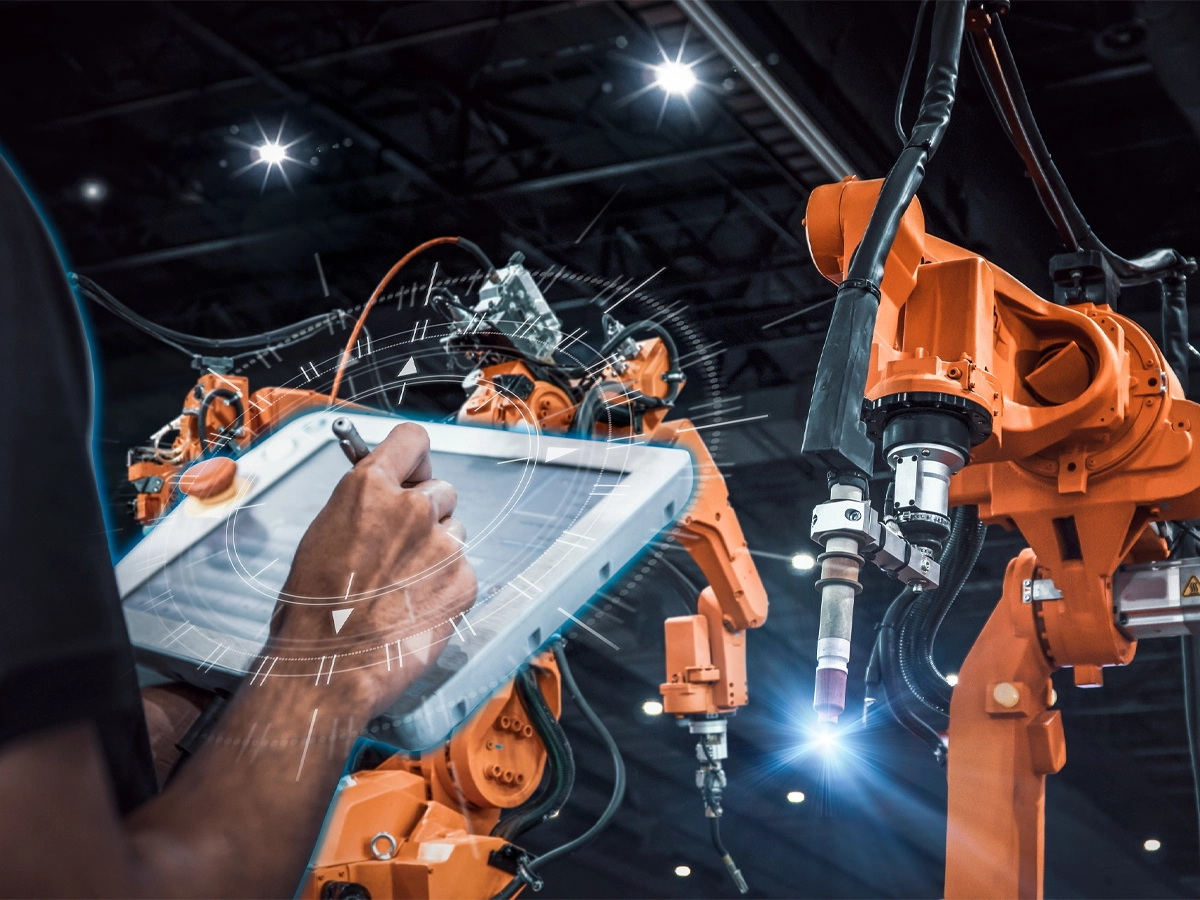
Technology became the product. Once that happened, the CTO moved out of the back office and onto the product line.
AWS, Azure and Google Cloud turned infrastructure into a utility, and owning hardware stopped giving anyone an edge. CTOs swapped data-centre management for architecture decisions, cloud-cost control and vendor strategy.
Streaming, apps, e-commerce, connected devices. All of it put software in front of paying customers, which made the CTO answerable for the experiences customers see and pay for, on top of the systems employees use every day.
Personalisation, advertising and forecasting turned data platforms into revenue engines. Own the data stack and you end up in pricing meetings. Marketing and product ones too.
Generative AI has been a board-level topic since 2023. Today's CTO answers for model strategy and AI spending, plus safety, copyright exposure and how fast staff actually adopt the new tools.
The CTO who used to report to the CFO or COO now usually reports to the CEO. Uptime and cost were the old scorecard; growth, product speed and risk make up the new one. Focus has moved from infrastructure to products, data and AI platforms, while security grew from perimeter defence into enterprise-wide risk and trust. And the occasional guest at strategy meetings? Now a permanent member of the core leadership team.
Disney's hire is the modern mandate in one person: a single executive owning technology across the company and reporting to the CEO.
According to CNBC, Anand will oversee enterprise technology, infrastructure, data and AI platforms, and product and engineering. Disney wants him to "further modernize how Disney builds and delivers technology company-wide."
Other companies should read this plainly. Disney hired a CTO to build the platform its business will grow on.
By 2027 the CTO's real job is running a company where AI does a meaningful share of the work. Adoption is the easy part. Five trends stand out.
AI agents are leaving the pilot stage and landing in daily workflows, where they write code, handle support tickets and run internal processes. That's a team-design problem. CTOs will decide where engineers supervise agents and which work stays human.
Regulation is tightening. The EU AI Act's obligations phase in through 2026 and 2027, and someone has to own the model inventories, risk reviews and audit trails; that someone is the CTO, who'll also be answering to regulators and the board.
CFOs have funded years of experiments. Now they want returns. Expect CTOs to be judged on AI unit economics (compute spend per product, per customer, per task), the same way cloud bills got picked apart a decade ago.
Deepfakes, AI-assisted attacks and data leaking through AI tools all widen the threat surface. The lines between CTO, CISO and chief trust officer will blur. Some companies will merge the roles outright.
AI coding tools let small teams ship a lot. So CTOs will spend less energy scaling headcount and more on reskilling staff and redefining junior roles. Hiring shifts too: judgment over raw output.
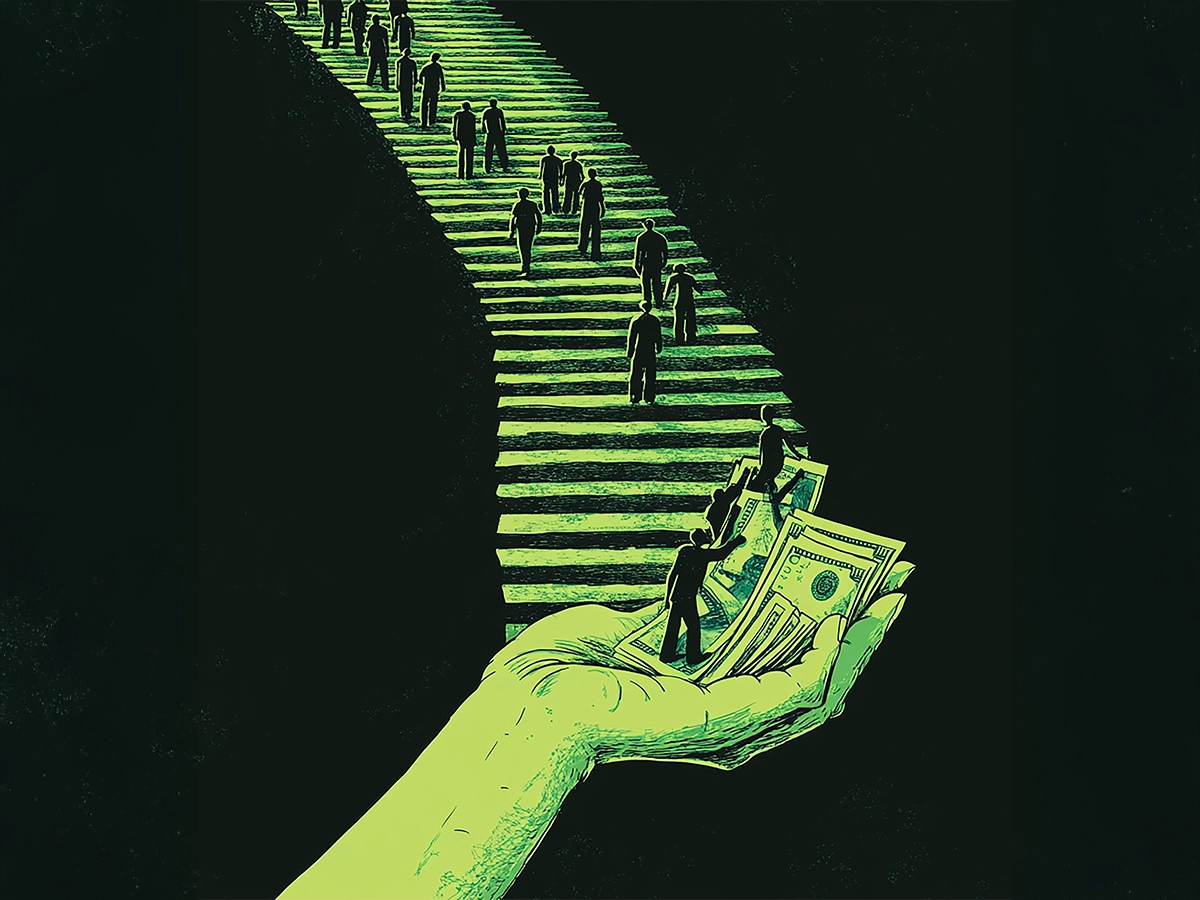
Bigger role, bigger pay. The structure changed as well, with more of the package riding on growth-linked bonus and equity and less on a fixed salary for keeping systems up.
Pay varies widely by company stage, sector and city. A CTO at a seed-stage startup may take a modest salary and a large equity stake, while a public-company CTO earns a higher base plus RSUs.
For a realistic benchmark, run your numbers through the CTO Club compensation calculator. It splits pay into three parts:
Filters cover 25+ roles (engineering leads up to CTO), eight venture stages plus private and public companies, 40+ sectors and 30+ cities. What I like: the site says each pay band lists its cohort, source type, observation period and sample size. Missing data shows up as missing, so the gaps stay visible.
The CTOs who win in 2027 will speak code and commerce equally well.
The CTO used to run the machines. Now the CTO steers the company. When a business built on storytelling creates the role for the first time, as Disney just did, it's hard to argue technology sits anywhere but the centre of growth. The 2027 question for CTOs is how to run a company built on AI, safely and at a profit.








Stay informed wherever you are — join our growing community of readers and followers across social platforms.
Choosing a Search Firm
Compensation Intelligence
Board & Governance
Succession Strategy
AI Leadership Trends
Talent & Workforce Trends
AI Leadership Appointments
Compensation Changes
Big Tech Succession
CHRO & CPO Appointments
CEO Transitions
Board Members and Governance Committees
Operating Partners at private equity and venture capital firms
CHROs and Chief People Officers
HR leaders responsible for executive hiring
CEOs and Founders

.svg)
.svg)