















































Join 1M+ Readers Who Never Miss a Headline.
Stay informed wherever you are — join our growing community of readers and followers across social platforms.
Choosing a Search Firm
Compensation Intelligence
Board & Governance
Succession Strategy
AI Leadership Trends
Talent & Workforce Trends
AI Leadership Appointments
Compensation Changes
Big Tech Succession
CHRO & CPO Appointments
CEO Transitions
Board Members and Governance Committees
Operating Partners at private equity and venture capital firms
CHROs and Chief People Officers
HR leaders responsible for executive hiring
CEOs and Founders
November 13, 2026

J.P. Morgan estimates humanoid robot costs are approaching the cost of human labor. Using these machines across multiple shifts could generate approximately $100,000 in annual savings per customer.
According to Reuters, J.P. Morgan said U.S. humanoid robot production could reach 300,000 to 400,000 units by 2030, and about 1.5 million by 2035.
Companies are interested in humanoid robots because they can work in spaces already designed for people.
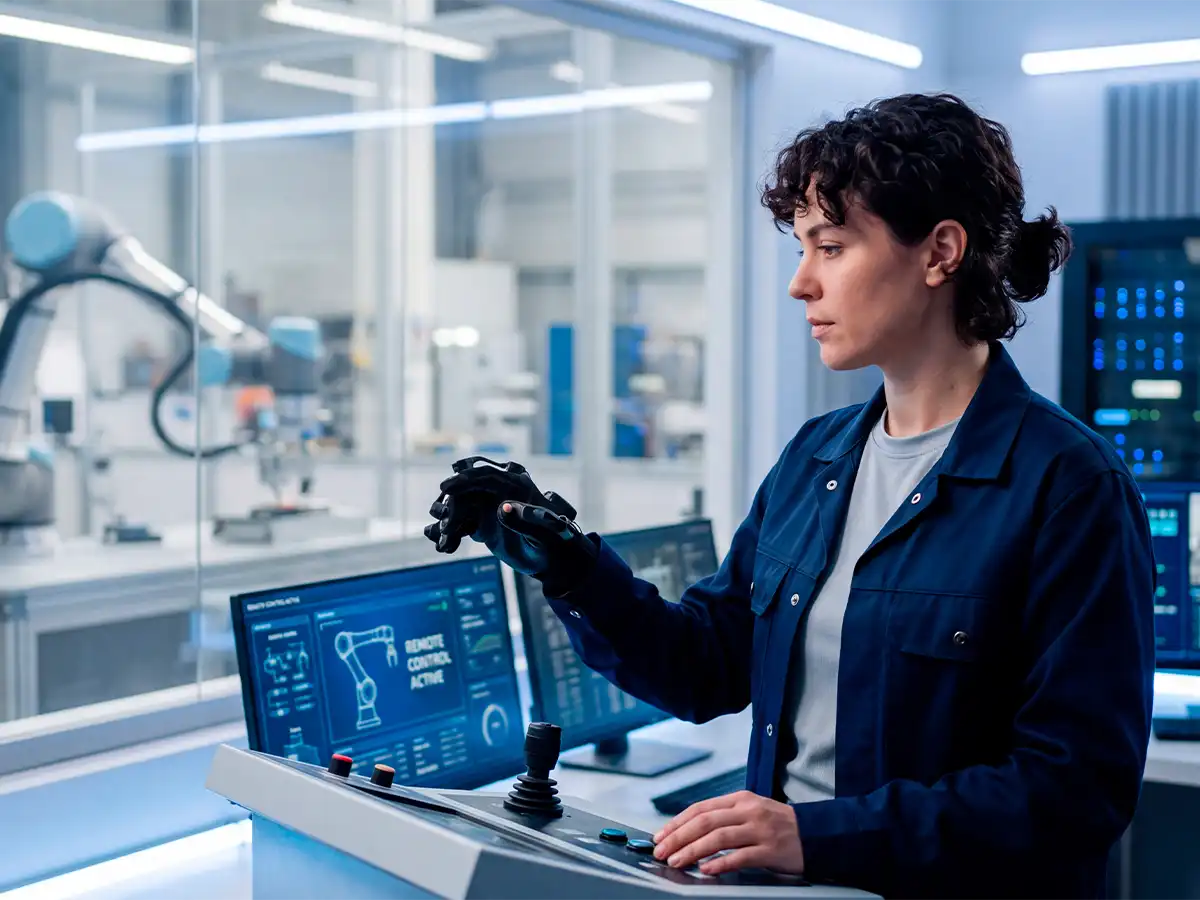
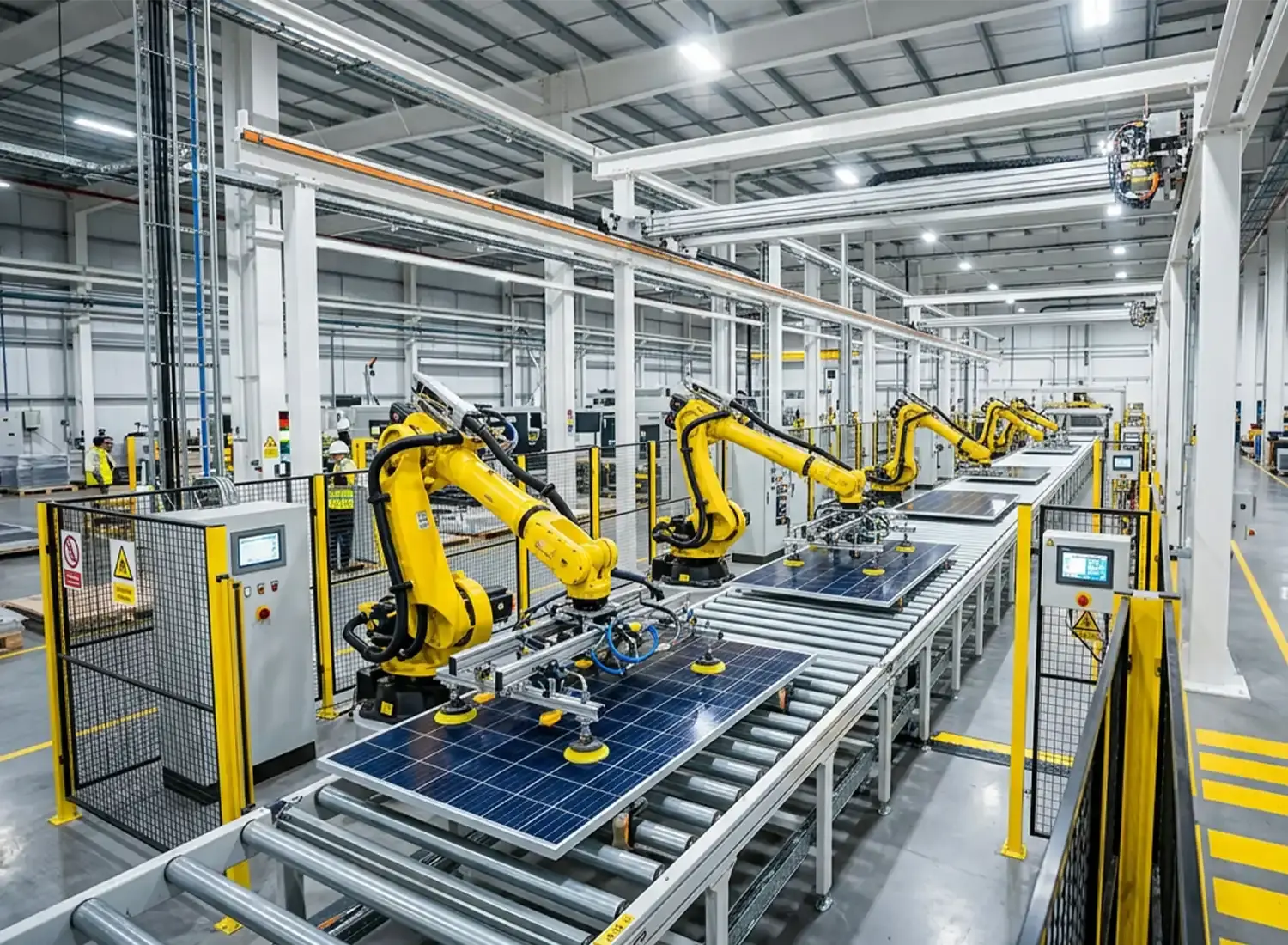
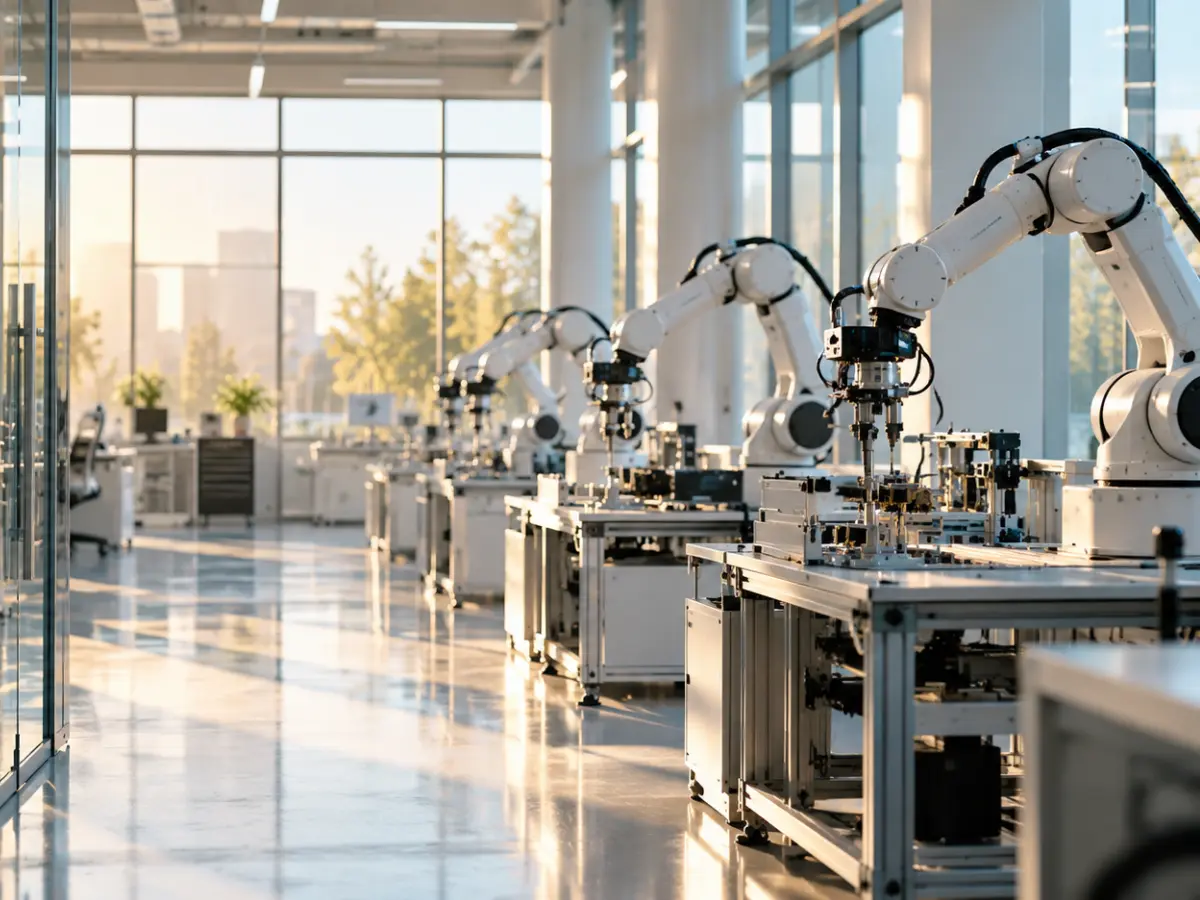
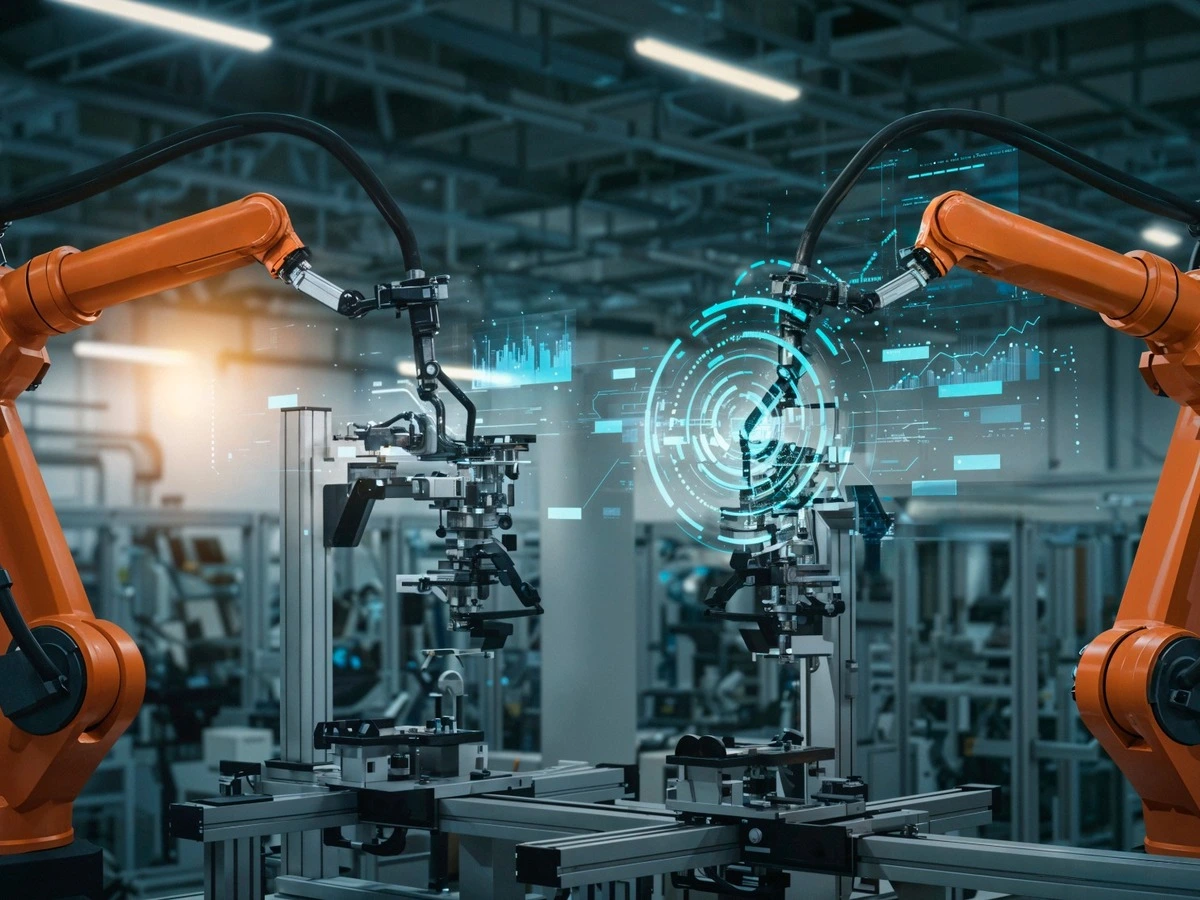
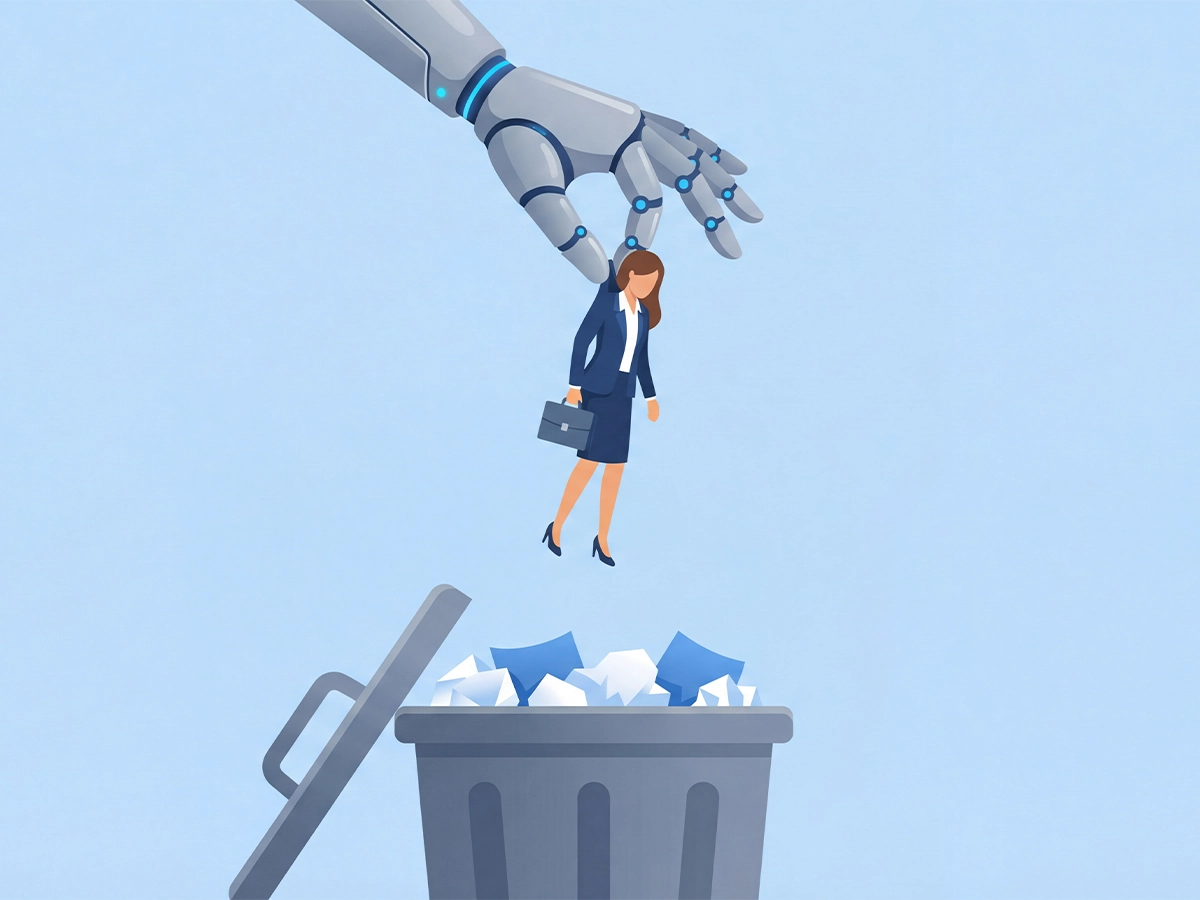
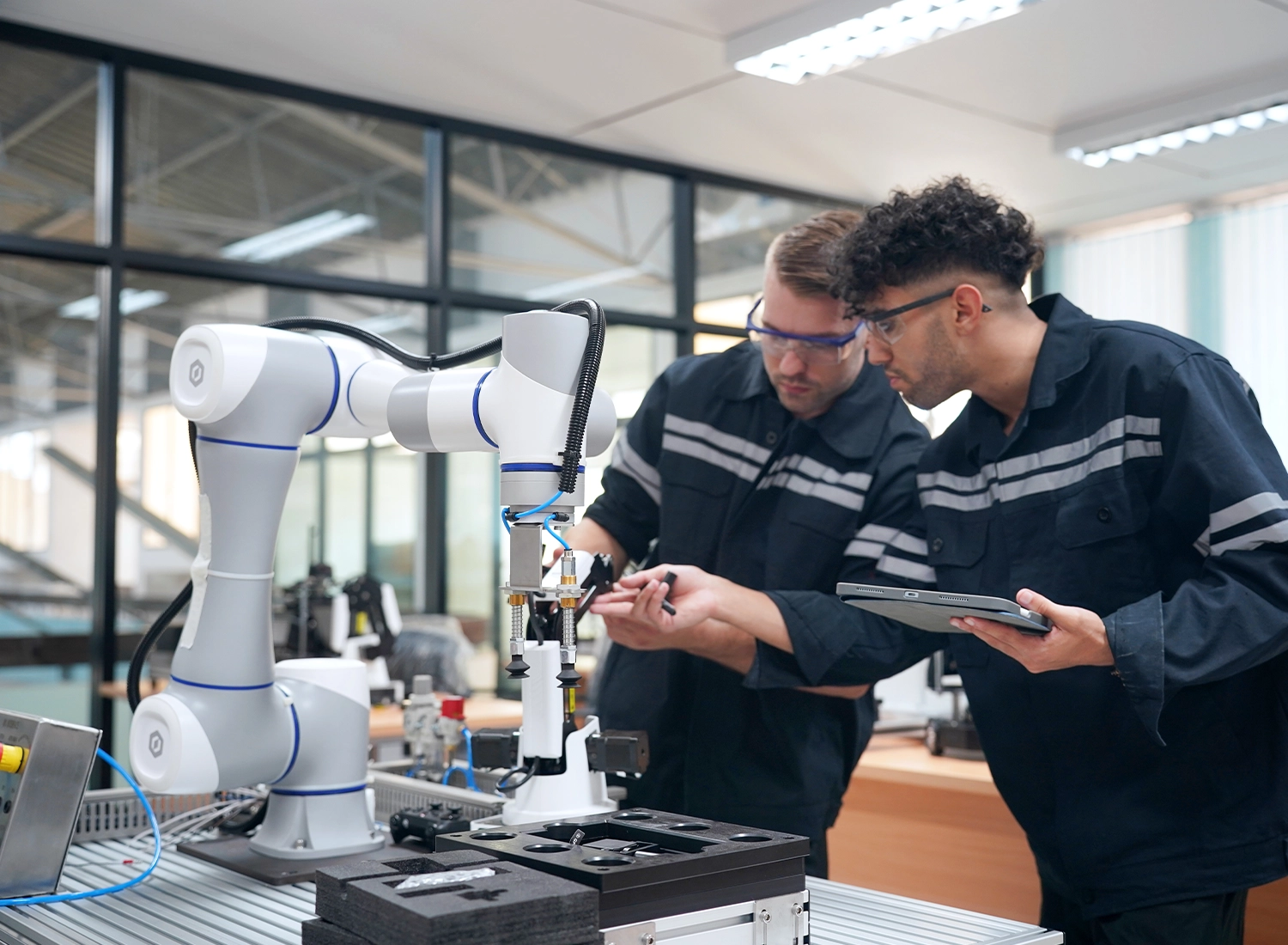
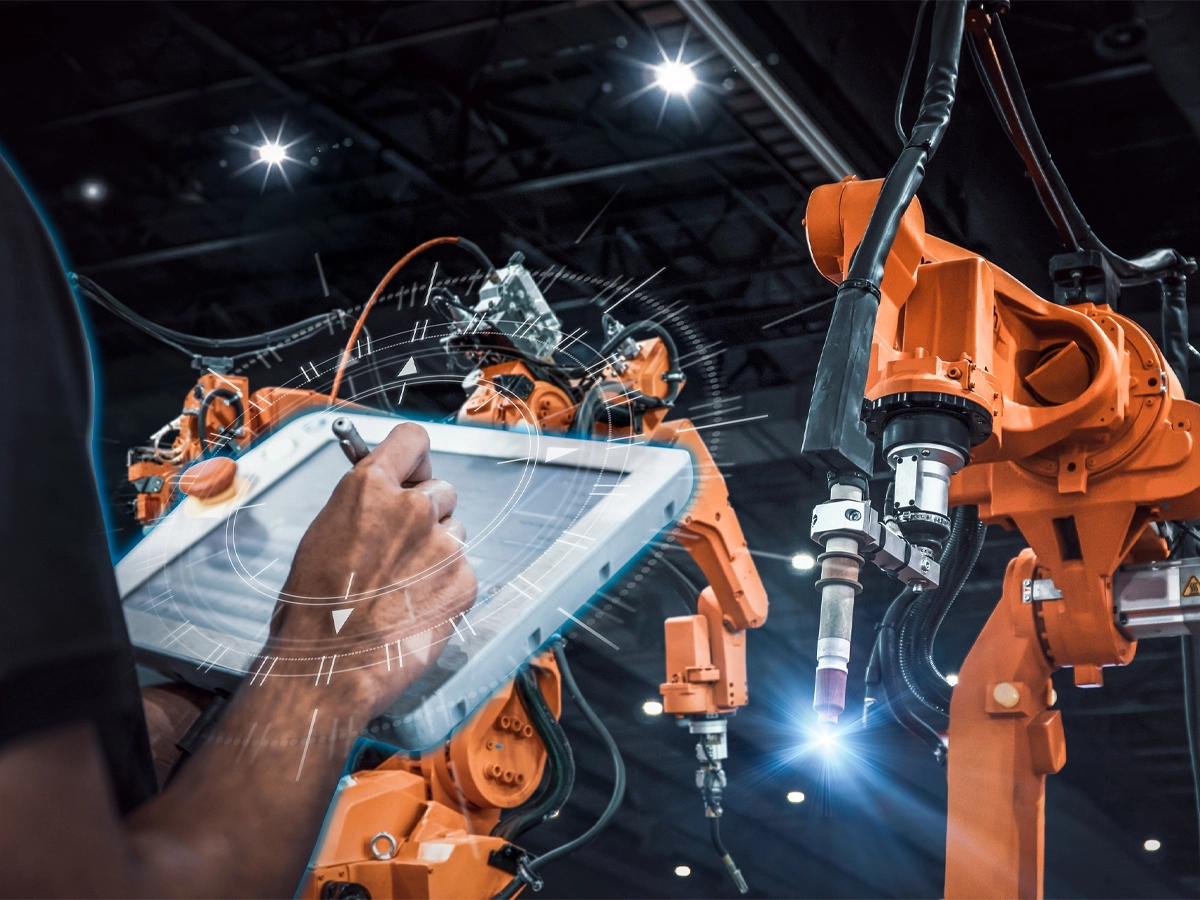
These robots could move materials, handle products and perform repetitive tasks on factory floors. Businesses could also use them across multiple shifts, reducing the number of workers they need to hire for certain jobs.
J.P. Morgan expects more companies to adopt the technology as labor shortages grow, robots become cheaper and manufacturers increase production.
J.P. Morgan names Tesla, Agility Robotics, Boston Dynamics, Figure AI and Apptronik as companies working to bring humanoid robots into commercial operations.
Tesla started production of Optimus in October 2026. Figure AI has also been scaling production of Figure 03 at its BotQ manufacturing facility. Meanwhile, Agility Robotics is developing Digit for industrial and warehouse operations. Apptronik raised over $935 million to expand Apollo production and commercial deployments.
The bank estimates that most U.S. humanoid robot manufacturers, excluding Tesla, are targeting annual production of 10,000 to 30,000 units. The report does not provide a specific production target for Tesla.
The U.S. faces strong competition from China, which has already established a substantial lead in humanoid robot manufacturing. According to a report by MERICS, China produced approximately 12,800 humanoid robots in 2025, or around 90% of the global total.
Chinese companies such as Unitree, AgiBot and UBTECH are expanding production and developing robots for industrial and commercial applications. China’s manufacturing capacity and domestic supply chains give its companies an advantage as they work to bring down production costs and increase output.
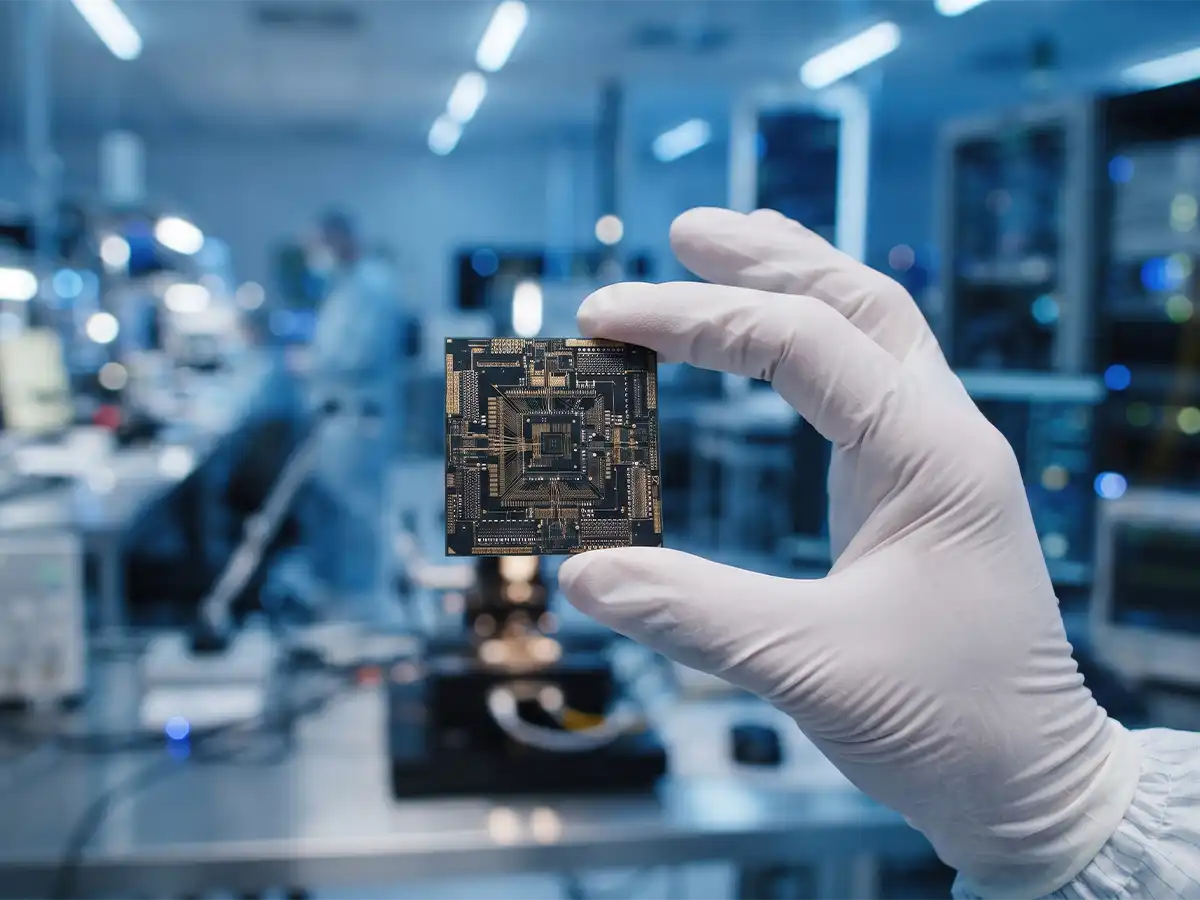
Humanoid robot manufacturers depend on companies that produce the parts used in these machines. Actuators, motors and vision systems allow robots to move, handle objects and recognize their surroundings.
J.P. Morgan expects the market for these components to approach $30 billion by 2035. The bank names Timken, Robotis, Leader Drive, Orbbec and Cognex among the suppliers that could benefit as humanoid robot production expands.
Component suppliers could see business growth before humanoid robots reach large-scale production. Manufacturers need these parts to build their machines, so demand for components could increase as companies expand their production lines.
Robot hands and actuators are essential for handling objects and performing physical tasks. AI systems also need enough training data and computing power to help robots understand their surroundings and respond to different situations.
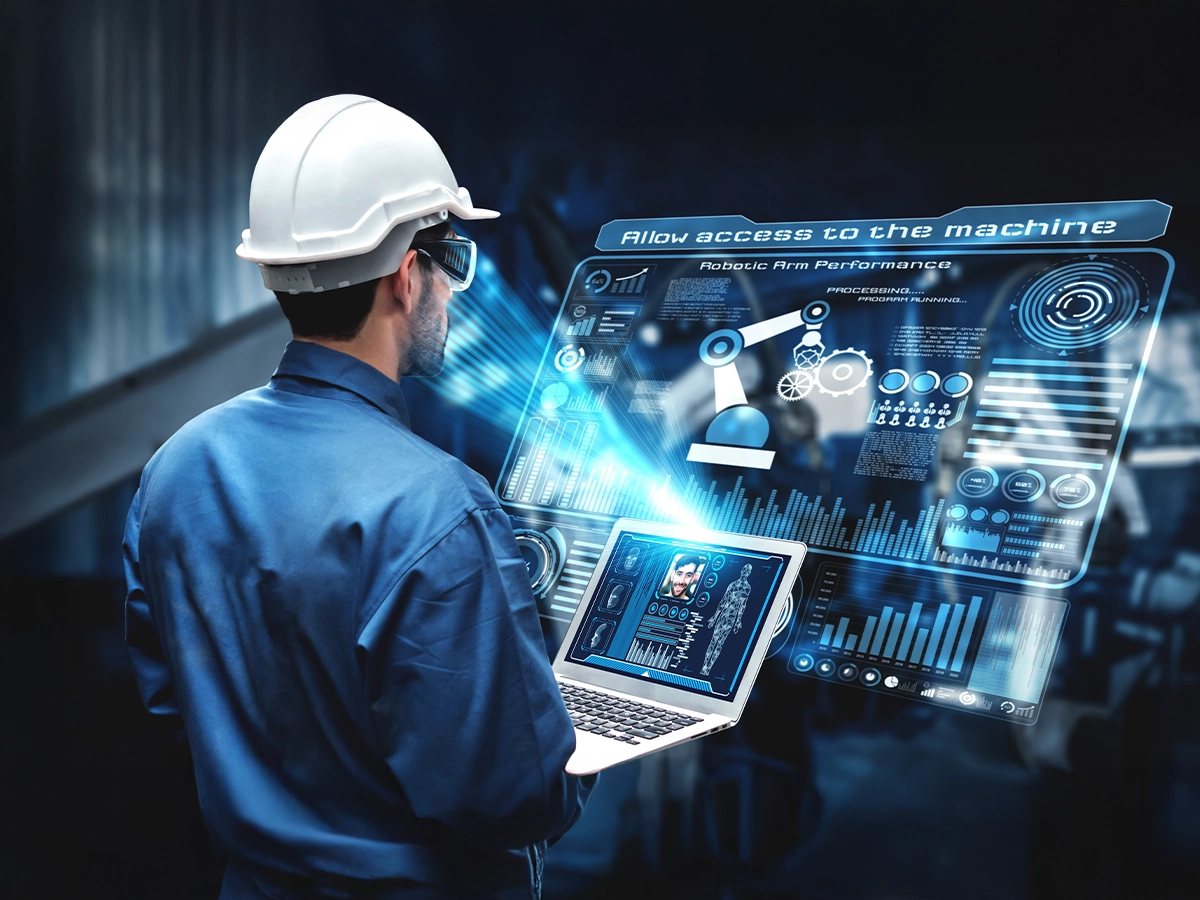
Even though humanoid robots can perform many repetitive tasks, companies will still need AI engineers who can develop computer vision, robot learning, and systems that translate visual information into physical actions.
Producing 300,000 to 400,000 humanoid robots annually by 2030 will depend on U.S. manufacturers expanding production, improving robot hardware and addressing the technical problems that currently limit what these machines can do.


















Stay informed wherever you are — join our growing community of readers and followers across social platforms.
Choosing a Search Firm
Compensation Intelligence
Board & Governance
Succession Strategy
AI Leadership Trends
Talent & Workforce Trends
AI Leadership Appointments
Compensation Changes
Big Tech Succession
CHRO & CPO Appointments
CEO Transitions
Board Members and Governance Committees
Operating Partners at private equity and venture capital firms
CHROs and Chief People Officers
HR leaders responsible for executive hiring
CEOs and Founders